

Tropic’s non-browning banana secures Japan, Brazil approvals, expanding reach to eleven countries
For the fresh produce industry, gene-editing technology offers tangible supply-chain benefits.
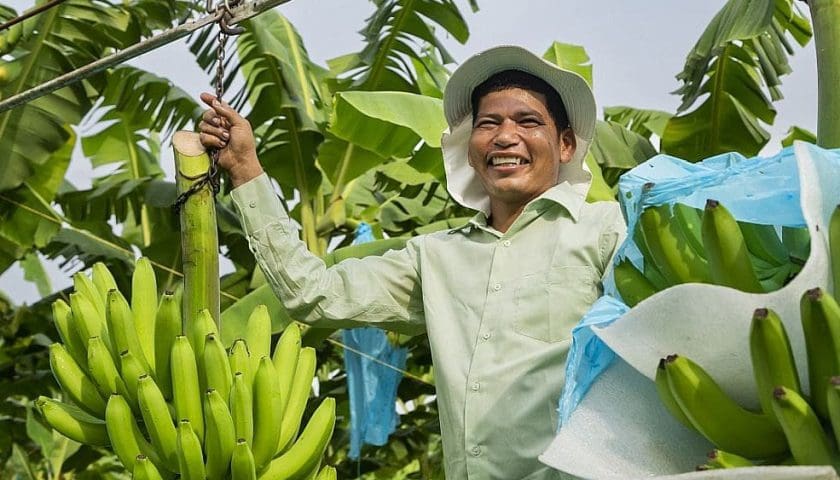
UNITED KINGDOM – Tropic, a UK-based agricultural biotechnology firm, has secured regulatory approval in Japan and Brazil for its world-first non-browning banana variety, clearing the way for the fruit to be imported, sold, and consumed in both countries.
The approval in Brazil also permits cultivation, thereby expanding consumer access and creating new commercial opportunities in one of the world’s largest banana-producing and banana-consuming countries.
“Japan and Brazil each play critical roles in the global fruit market, and these decisions reflect growing international confidence in new agricultural technologies designed for modern supply chains,” said Gilad Gershon, CEO of Tropic.
Japan is a key import market renowned for exceptionally high standards of quality and freshness, while Brazil’s approval introduces a premium option that reduces waste, improves sustainability, and broadens category diversity in the domestic market.
Since its commercial launch in 2025, Tropic’s non-browning banana has received regulatory determinations, notifications, or exemptions in eleven countries, including the United States, Canada, and the Philippines. These key regions account for more than 70% of global banana production and over 30% of global consumption.
For the fresh produce industry, gene-editing technology offers tangible supply-chain benefits. Tropic has also launched an extended-shelf-life banana variety, extending green life by 12 days, increasing yields, enabling new export routes, and reducing transport waste by up to 50%.
For Middle Eastern and African importers who face long transit times and variable cold-chain conditions, extended shelf life directly translates into less spoilage and a wider distribution reach.
The company plans to launch a Panama Disease (TR4)-resistant variety in 2027. TR4 poses an existential US$25 billion threat to the global banana industry and has spread to more than 20 countries across Asia, Africa, the Middle East, and South America.
A resistant variety would protect growers’ livelihoods, stabilize supply chains, and reduce the need for farm relocation or costly disease management protocols.
For investors, Tropic’s expanding regulatory footprint signals growing acceptance of gene-edited crops across major markets. The approvals in Japan and Brazil follow a trajectory that began in the United States and Canada, suggesting that consumer and regulatory resistance is softening.
As Tropic moves towards its 2027 Panama Disease-resistant launch, the company is positioning itself at the intersection of food security, sustainability, and agricultural technology.
Sign up HERE to receive our email newsletters with the latest news and insights from Africa and around the world, and follow us on our WhatsApp channel for updates.