
Vietnam’s poultry industry faced with market instability, structural weaknesses
Despite growth in production and exports, poor value chain integration and demand forecasting hinder progress
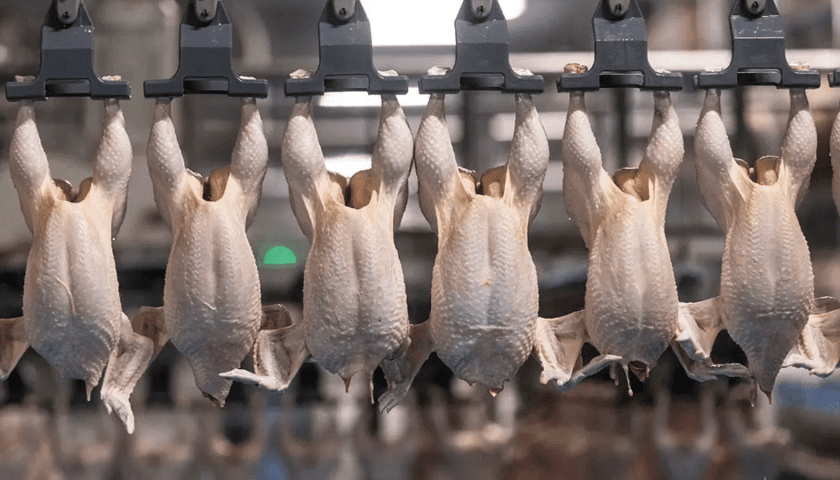
VIETNAM – Vietnam’s poultry sector, despite decades of expansion, is facing growing pressure from internal inefficiencies and external market volatility.
At a recent conference in Hanoi focused on the development of a sustainable poultry value chain, industry leaders raised concerns about the sector’s stagnation and lack of coordination among stakeholders.
Nguyen Thanh Son, chairman of the Vietnam Poultry Association, said that while the sector has made progress in output, technology, and exports over the past 40 years, its overall performance has been declining since 2022.
Vietnam currently produces around 2.4 million tonnes of poultry meat and more than two billion eggs annually, according to official figures shared at the event.
Each year, the country exports between 5.8 million and 6.1 million poultry breeds and approximately 4,600 to 5,100 tonnes of poultry meat.
However, the industry has struggled with declining profits and limited direction, prompting calls for urgent reform.
Tran Ngoc Yen from AgroMonitor pointed out that despite benefits such as a growing consumer base, decreasing feed prices, and improved technology access, long-standing weaknesses continue to affect the industry’s performance.
She cited poor linkages within the value chain, outdated distribution systems, and changing consumer behavior as persistent challenges.
Yen added that reliance on imported raw materials, climate-related disruptions, and global political tensions further complicate operations for poultry producers.
In response to these challenges, Son proposed shifting the sector away from its current fragmented structure toward a more integrated production model.
He argued that larger enterprises should take the lead in organising the value chain, with smaller producers operating within that framework.
Son also called for increased state involvement to support businesses and help the industry regain competitiveness both locally and abroad.
He identified three main priorities for the sector moving forward: integrating small producers, improving product pricing, and expanding participation in global markets.
Strengthening the chain
Associate Professor Dr Nguyen Thi Binh from the Foreign Trade University outlined three steps to address the sector’s weak value chain.
She said securing key inputs—such as feed, breeding stock, and vaccines—remains crucial, although Vietnam has already made progress in this area.
Her second recommendation involved developing a core network of companies to oversee essential production activities like local breeding and feed sourcing.
Binh’s final point focused on trade, describing it as the weakest link in the chain and encouraging collective strategies among producers to strengthen market access.
She also highlighted the role of poultry associations in coordinating training, technology adoption, and long-term development plans.
Deputy Minister of Agriculture and Environment Phung Duc Tien urged government agencies to simplify regulatory procedures and update standards to match current realities.
Tien called for greater investment in science and technology, especially in breeding programs and food safety through better management of small slaughterhouses.
He said the long-term goal should be a fully integrated value chain—from feed production and farming to processing and marketing—backed by stronger international cooperation in research and innovation.
Sign up HERE to receive our email newsletters with the latest news and insights from Africa and around the world, and follow us on our WhatsApp channel for updates.