

WPF, KZN Poultry Institute expand poultry training for farmers, processors
Farmers and agribusiness operators received practical instruction on improving productivity and reducing losses
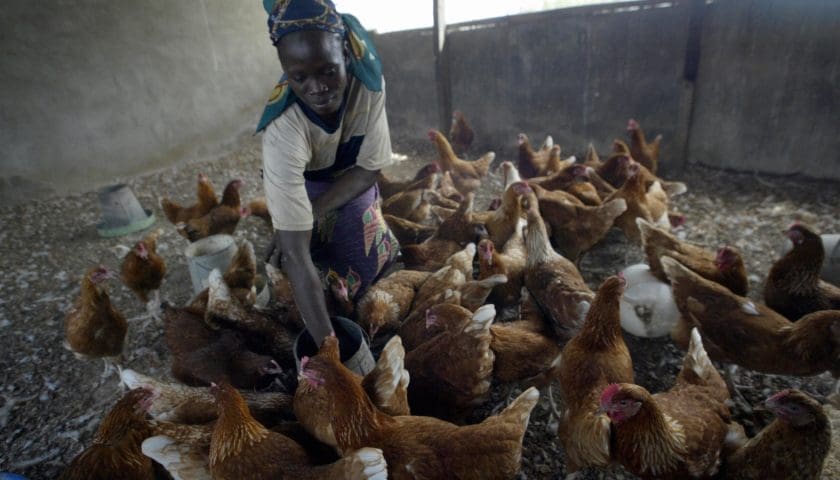
SOUTH AFRICA – The World Poultry Foundation and KwaZulu-Natal Poultry Institute have expanded poultry training programs targeting farmers, processors, supervisors, and agribusiness operators as part of efforts to improve technical skills and production practices across the sector.
The recent sessions focused on broiler and layer management, poultry processing, farm sanitation, disease prevention, biosecurity procedures, and business operations, with participants receiving practical instruction on handling common challenges affecting poultry enterprises.
According to the organisers, the program seeks to address gaps in technical knowledge that continue to affect poultry production, particularly in areas such as disease management, farm records, operational efficiency, and modern production systems.
In addition, trainers involved in the courses said many farmers still experience losses linked to poor farm hygiene, weak monitoring systems, and limited understanding of poultry management practices, leading to reduced productivity and financial setbacks.
Biosecurity and farm management
Biosecurity formed a major part of the training, with industry specialists warning that disease outbreaks remain a persistent risk for poultry producers and can significantly affect flock performance and food safety standards.
Farmers attending the sessions were advised to strengthen sanitation procedures, regulate movement into poultry units, and maintain vaccination schedules to reduce the spread of infections within farms.
Participants who completed the training reported gaining practical skills in monitoring bird health, improving feeding systems, and maintaining production records used to track feed consumption, mortality rates, egg output, medication schedules, and financial performance.
Meanwhile, trainers explained that effective recordkeeping enables poultry operators to identify production trends, evaluate farm performance, and make operational decisions based on measurable data rather than estimates.
Processing and market access
The training also included poultry processing modules covering hygiene standards, product handling, packaging methods, and value-added practices to improve product quality and expand market opportunities for poultry businesses.
Some participants said the sessions introduced them to new approaches for improving efficiency while reducing avoidable losses in their operations, particularly in flock management and processing procedures.
Industry stakeholders involved in the initiative stated that continued investment in farmer education and technical instruction remains necessary to improve food production systems, support poultry businesses, and increase long-term sustainability within the sector.
Sign up HERE to receive our email newsletters with the latest news and insights from Africa and around the world, and follow us on our WhatsApp channel for updates.