
Zimbabwe committee proposes US$50 per hectare levy on idle farms
The proposed levy comes amid ongoing efforts to revive underutilized farms.
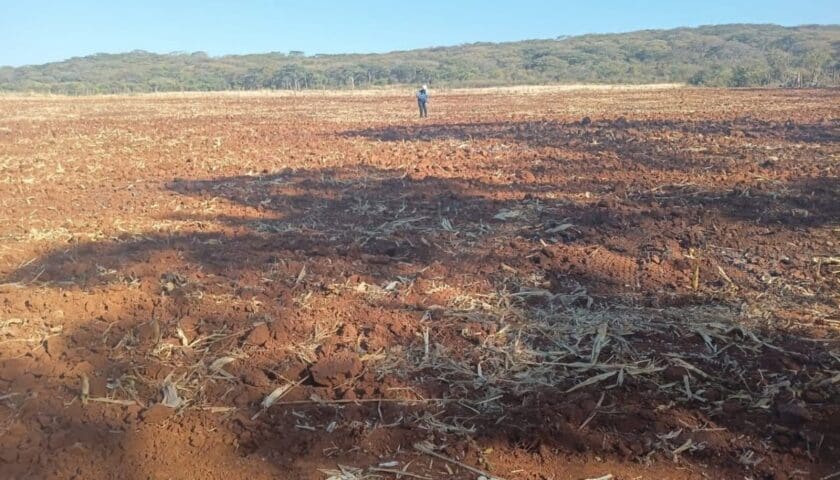
ZIMBABWE – Zimbabwe’s Parliamentary Portfolio Committee on Lands, Agriculture, Water, Fisheries and Rural Development has proposed an annual levy of US$50 per hectare on large-scale farms that remain idle or underutilized without justification, according to the committee.
The proposal, presented by committee chairperson Felix Maburutse at Parliament’s 2027 pre-budget seminar in Bulawayo, would increase the levy for each successive year of inactivity.
Revenue would be ring-fenced to fund land development, irrigation, agricultural extension and rural infrastructure, with exemptions in cases of drought, genuine financial hardship and other legitimate circumstances.
Maburutse also reported slow progress in land tenure documentation and in farmer compensation.
In 2026, 1,479 title deeds were issued against a target of 2,500, and 2,696 farms were surveyed against a target of 2,500. Compensation payments totalled US$30.75 million against a target of US$896.64 million.
Economist Eddie Cross has questioned the proposed levy, arguing that issuing title deeds and compensating displaced farmers would improve access to agricultural finance and encourage land development.
“Attempts to charge US$50/ha of underutilised land, which is a totally exorbitant sum of money, would be impossible. It simply would not be paid,” Cross says.
He questions what the government would do if the levy went unpaid, noting that repossession and reallocation would be politically challenging.
Cross argues that secure tenure for land reform beneficiaries would solve the underlying problem.
“Large- and small-scale farmers would receive titles to their land, which they could then subsequently borrow money against and use for redeveloping the farms and turning them into productive assets.”
Farmers wishing to relinquish control could then sell to those able to make the land productive.
The proposed levy comes amid ongoing efforts to revive underutilized farms. In 2020, the government launched a joint-venture initiative linking land reform beneficiaries who lacked resources or agricultural know-how to investors, with the aim of developing farmers’ skills, increasing mechanization and unlocking finance.
For investors, the debate reveals a fundamental disagreement over the cause of idle land. The committee treats underutilization as a behaviour to be penalized, whereas Cross treats it as a symptom of insecure tenure and a lack of finance.
The joint-venture model offers a third approach, directly addressing capital and expertise gaps. Whichever mechanism succeeds will determine whether Zimbabwe’s farmland returns to production or remains dormant, regardless of penalties.
Sign up HERE to receive our email newsletters with the latest news and insights from Africa and around the world, and follow us on our WhatsApp channel for updates.