

Cultivated meat could hit UK menus by 2027 – FSA
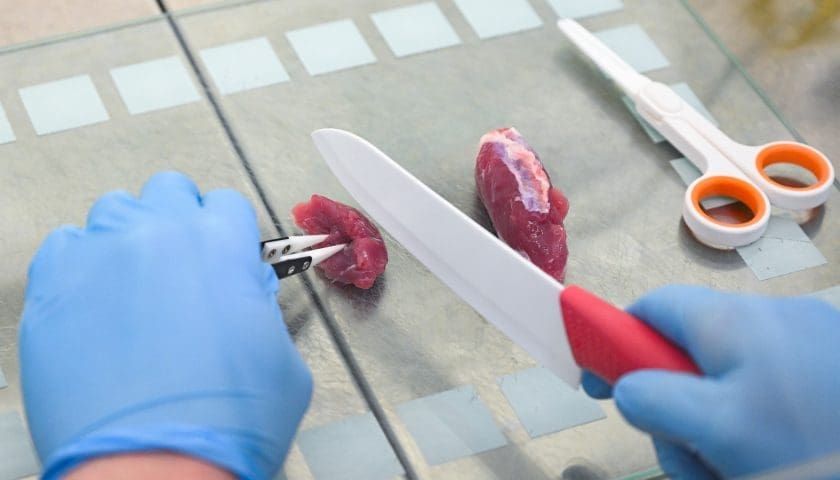
UK – Britons may see cultivated meat on their plates as early as 2027, with the Food Standards Agency targeting approval for two lab-grown proteins by the start of next year.
The FSA has updated its regulatory approach to cultivated meat after criticism over slow approvals linked to the EU’s novel food system, which remained in place after Brexit.
Currently, four cultivated meat applications from Aleph Farms, Ivy Farm Technologies, Vital Meat, and Gourmey, owned by Parima, are under evaluation, with Gourmey leading the process.
Safety assessments for these products are expected to conclude by February 2027, after which ministerial approval would allow the proteins to be sold for human consumption in the UK.
London-based Meatly has already launched cultivated dog food, showing the technology’s commercial application outside human diets.
Drivers and Challenges for Lab-Grown Meat
The FSA’s report on emerging food technologies identifies climate risks, supply chain disruptions, and reliance on imports as key factors driving the adoption of controlled, year-round production methods.
Technologies are classified into three tiers based on their likely impact, feasibility, and regulatory readiness, with cultivated meat placed in the first tier due to its potential to transform protein supply chains.
The regulator noted that consumer concerns over safety, taste, texture, price, and scalability remain major barriers for lab-grown meat adoption.
Research into animal-free growth media, improved cell line engineering, and advanced bioprocess techniques could reduce costs and increase yields, while AI and automation may improve production consistency.
Survey data from 2025 showed that up to 41% of UK consumers are willing to try cultivated meat, reflecting cautious but growing interest.
Other Emerging Food Technologies
Other tier-one technologies include precision fermentation, which 46% of consumers are open to trying, and biomass fermentation, already widely used in products like Quorn’s mycoprotein.
Controlled environment agriculture, including vertical farming, and insect protein also appear in tier one, although insect-based foods remain dependent on authorisation and public perception.
Tier-two innovations expected within five to ten years include molecular farming, gas fermentation, oleogelation, and marine-derived proteins, all of which require further research, scale-up, and regulatory clarity.
Tier-three technologies, anticipated beyond 10 years, cover 3D-printed foods, reverse food manufacturing, and AI-designed proteins, mostly at pilot or concept stages and facing safety and supply challenges.
Preparing the Food System for the Future
The FSA recommends maintaining clear regulatory pathways, focusing on shared evidence requirements, following international best practices, and engaging innovators early to facilitate safe adoption of new food technologies.
Thomas Vincent, deputy director of innovation at the FSA, emphasised that early collaboration between regulators and innovators is essential to build consumer trust and ensure emerging foods meet UK standards.
Sign up HERE to receive our email newsletters with the latest news and insights from Africa and around the world, and follow us on our WhatsApp channel for updates.

