

NIHORT expands mango sector support with value addition, as Nigeria targets export growth
Moreover, the institute has also been training young Nigerians in mango processing and agribusiness development at its Ibadan facility.
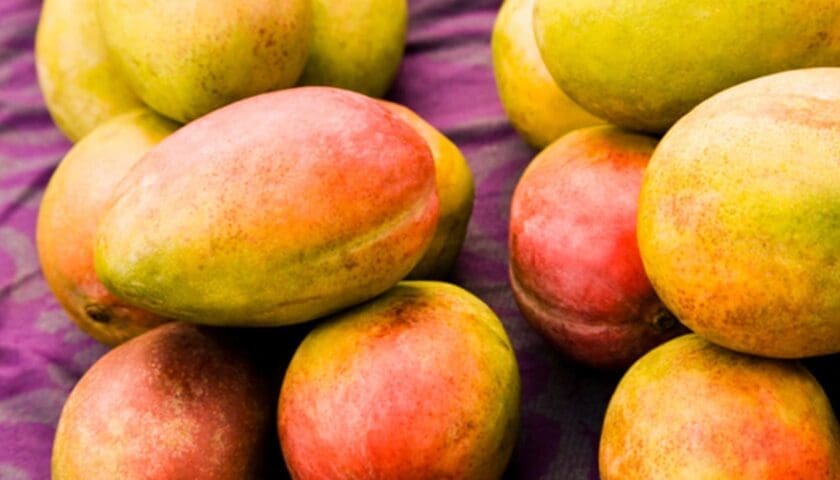
NIGERIA – The National Horticultural Research Institute is intensifying efforts to revitalize Nigeria’s mango industry through production, propagation, postharvest management, and value-addition initiatives, aiming to boost rural incomes and reduce food waste.
According to NIHORT Executive Director Prof Muhammed Lawal Atanda, mango remains one of the institute’s priority crops due to its economic potential and role in employment, food security, and rural livelihoods.
“Mango is an important fruit not only in Nigeria but globally. Over the years, NIHORT has been working on mango in two prominent areas that will impact the livelihood of farmers and the economy: production and propagation on one hand, and post-harvest management and value addition on the other.”
Nigeria currently has between 120,000 and 130,000 hectares under mango cultivation, representing less than 0.2% of the country’s cultivated farmland. NIHORT maintains a germplasm collection of more than 25 to 35 mango varieties and supplies rootstock to growers for propagation.
Additionally, the institute views mango as suitable for cultivation across Nigeria’s agroecological zones. “Mango can grow in virtually every agroecological zone in the country. Whether in the Northeast, Southwest, or Southeast, mangoes thrive. That is why it is often called a desert tree because it requires little water and is very rugged,” Atanda stated.
To address postharvest losses during peak harvest periods, NIHORT has developed products including mango juice, puree, flakes, and jam. “When you go to states like Benue, where there are many mango orchards, you see a lot of wastage during harvest periods. What NIHORT has done is to develop products such as mango juice, mango flakes and mango jam to minimize these losses,” he said.
Moreover, the institute has also been training young Nigerians in mango processing and agribusiness development at its Ibadan facility.
Industry projections suggest Nigeria’s mango production could exceed one million tonnes by 2026. The country produced about 968,780 tonnes in 2021, ranking 12th globally.
However, export challenges persist. According to Produce Export Development Alliance chief executive Aiyeola Adetiloye, Nigeria currently exports less than 1% of its mango production to high-value markets, and fruit fly infestation continues to constrain export growth.
Lastly, by combining improved seed varieties, processing technologies, and youth training, NIHORT aims to leverage the crop’s resilience across climates to maximize Nigeria’s agricultural potential.
Sign up HERE to receive our email newsletters with the latest news and insights from Africa and around the world, and follow us on our WhatsApp channel for updates.

