
Thai Union says 84% of tuna now comes from certified or improving fisheries
SeaChange 2030 strategy continues to focus on traceability, fishery improvements and lower supply chain emissions.
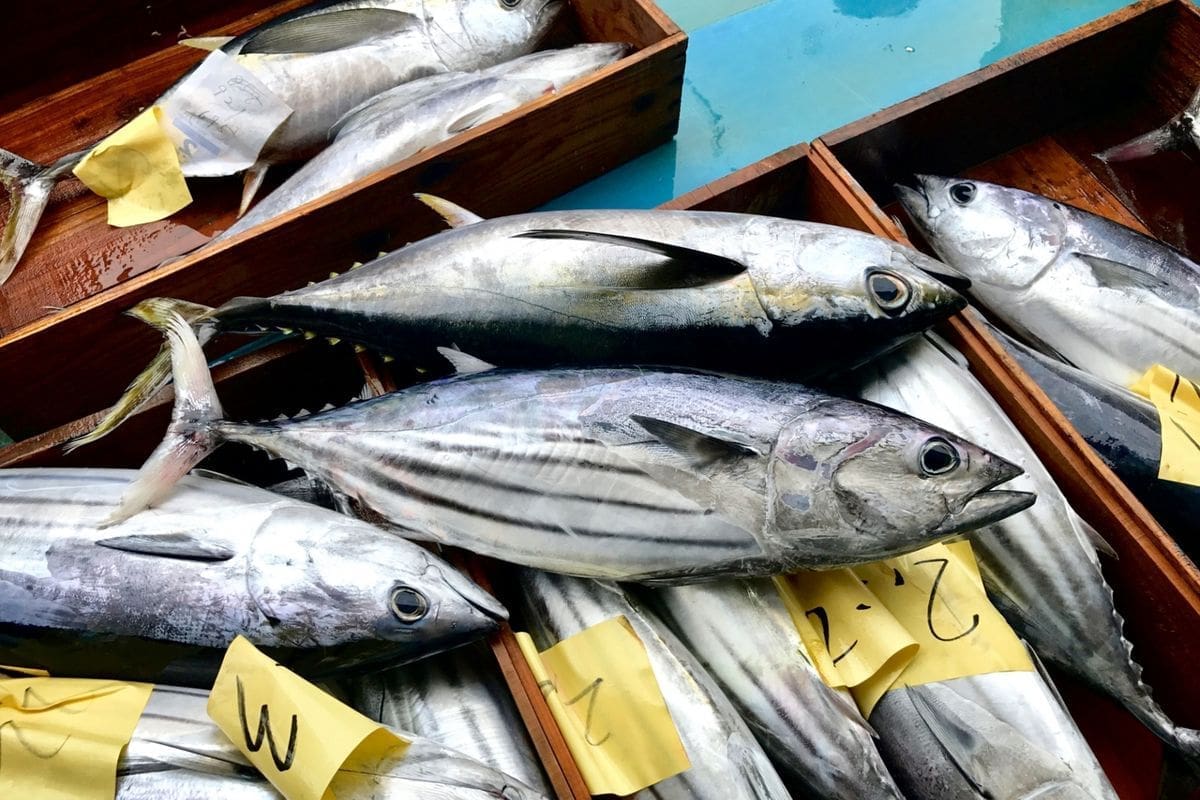
THAILAND – Thai Union Group has reported that 84% of the tuna it purchased for its global canned and ready-to-eat seafood business now comes from fisheries certified by the Marine Stewardship Council (MSC) or from fisheries participating in verified Fishery Improvement Projects (FIPs), according to an operational update released to investors and market analysts.
The company said the figure covers its procurement of key commercial tuna species, including skipjack (Katsuwonus pelamis), yellowfin (Thunnus albacares) and bigeye (Thunnus obesus), as part of its responsible sourcing programme aimed at improving traceability across its supply chain.
Thai Union stated that the sourcing strategy responds to procurement requirements introduced by major retailers in Europe and North America, many of which now require suppliers to demonstrate measures designed to prevent illegal, unreported and unregulated (IUU) fishing within their seafood supply chains.
The company added that it has expanded the use of onboard electronic monitoring systems together with blockchain-supported automated weighing technology at processing facilities in Asia, Africa and Europe to improve product traceability and maintain separation of batches from harvest through processing and distribution.
Fishery improvement projects
According to the report, Thai Union is involved in fishery improvement initiatives in the Indian Ocean and the Western Pacific, where it works with fishing vessel operators and government authorities on measures intended to reduce the environmental impact associated with fish aggregating devices (FADs).
The company said it is supporting the adoption of non-entangling, biodegradable FADs as part of efforts to reduce the incidental capture of non-target marine species, including sharks and sea turtles, with funding for the transition subject to quarterly independent audits.
Thai Union also said that while investments in technology upgrades and satellite monitoring have increased operating costs, the programmes help maintain access to certified tuna supplies and reduce exposure to fluctuations in raw material markets by supporting long-term sourcing arrangements.
The company released details of its procurement-related audit costs and price premiums paid for certified tuna as part of the investor update, outlining the expenses associated with maintaining custody control systems across its sourcing operations.
Thai Union reaffirmed its commitment to its SeaChange 2030 sustainability strategy, which includes investments in marine ecosystem restoration projects and measures aimed at lowering emissions across its logistics network, while stating that improving fishery management remains central to the long-term availability of seafood supplies.
Sign up HERE to receive our email newsletters with the latest news and insights from Africa and around the world, and follow us on our WhatsApp channel for updates.