Spain expands native cattle programme to reduce wildfire risk in Galicia
Authorities and local communities are using controlled grazing alongside other land management practices to reduce combustible undergrowth.
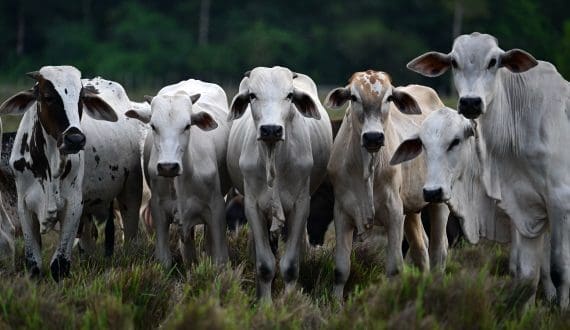
SPAIN – Communities in Spain’s northwestern Galicia region are expanding the use of the native Cachena cattle breed as part of efforts to reduce wildfire risk by naturally controlling vegetation in one of the country’s most fire affected areas.
The initiative follows years of landscape changes caused by the widespread planting of highly flammable pine and eucalyptus trees for industrial use, a shift that contributed to the decline of native livestock as rural populations moved to urban areas.
Cachena cattle, often referred to locally as “goat cows” because of their ability to graze on a wide range of vegetation and move across steep terrain, are now being reintroduced to restore traditional land management practices.
The programme gained momentum after a major wildfire swept through the parish of Vincios in 2017, prompting community land associations to adopt grazing by native cattle, sheep and goats as a way of reducing the build-up of combustible undergrowth.
According to regional livestock association BOAGA, the number of native grazing animals in Galicia has increased from just over 1,800 in the late 1990s to more than 30,000 by early 2026, including approximately 8,000 Cachena cattle compared with only 400 two decades ago.
Regional authorities have supported the recovery by providing financial incentives for farmers to retain young female cattle for breeding, while a local zoological centre has supplied breeding bulls at reduced cost.
Grazing complements wider wildfire prevention efforts
Jose Taboada, coordinator of the Vincios community land collective, said the grazing animals keep scrub vegetation at manageable levels, reducing the accumulation of highly flammable plants such as gorse, broom and brambles without removing vegetation entirely.
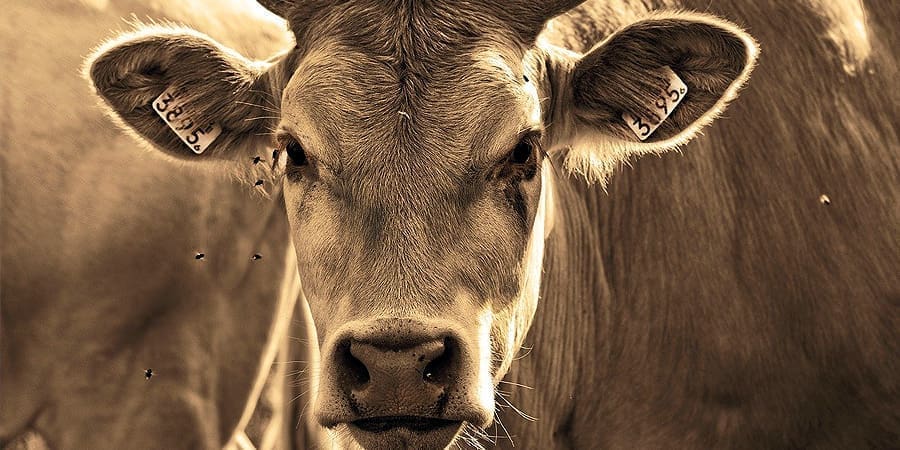
The cattle are fitted with GPS collars, allowing them to roam freely across mountainous terrain without the need for fencing while continuing to manage vegetation naturally.
Vincios is one of about 3,000 community land groups that collectively manage around 700,000 hectares of land across Galicia under a communal ownership system that dates back to medieval times and was formally recognised under Spanish law in 1989.
Galicia remains one of Spain’s regions most affected by wildfires, with nearly 119,000 hectares of land destroyed by fire in 2025, an area roughly twice the size of Madrid.
Forestry engineer Jose Vicente Oliver said livestock grazing is supported by scientific research as an effective wildfire prevention tool but should be combined with measures such as mechanical vegetation thinning, pruning and controlled burning to achieve the best results.
Taboada said the community’s objective extends beyond livestock production, adding that maintaining well managed woodlands helps reduce wildfire risk while preserving the landscape for future generations.
Sign up HERE to receive our email newsletters with the latest news and insights from Africa and around the world, and follow us on our WhatsApp channel for updates.