
Egypt, Philippines sign trade deal for grapes, onions, tomatoes as agricultural exports expand
For Egypt, it opens a new market for its agricultural exports, strengthening its position as a global food supplier.
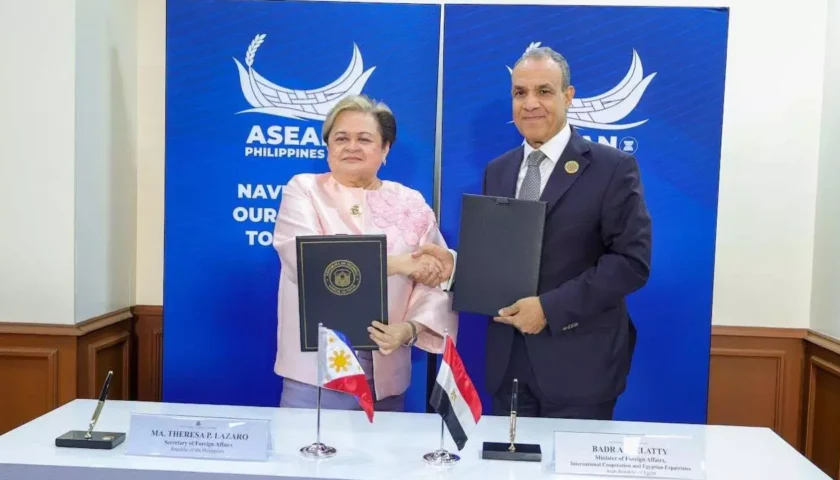
EGYPT – Egypt and the Philippines have finalized a significant trade agreement that grants immediate market access to five Egyptian agricultural products, including grapes, onions, garlic, tomatoes, and carrots, marking a historic milestone in bilateral trade relations.
The agreement was signed by Badr Abdelatty, Egypt’s Minister of Foreign Affairs, and Ma. Theresa P. Lazaro, Secretary of Foreign Affairs of the Philippines, on the sidelines of the 10th round of the Egypt–Philippines political consultations mechanism.
The agreement provides immediate market access for Egyptian agricultural products, with both countries describing it as an important step towards strengthening economic and trade relations.
Furthermore, the two ministers said the agreement marks the start of a new phase of partnership in food security and is expected to boost bilateral trade while advancing the shared economic interests of both countries.
The agreement aims to improve regional food security by diversifying the Philippines’ sources of fresh produce, reducing dependence on traditional suppliers, and ensuring a more stable supply of key agricultural commodities. For Egypt, it opens a new market for its agricultural exports, strengthening its position as a global food supplier.
Meanwhile, the relevant authorities in Egypt and the Philippines continue to coordinate procedures to facilitate the entry of Egyptian potato exports into the Philippine market, with support from the Egyptian Embassy in Manila.
In addition, the two sides reaffirmed their commitment to expanding trade in other sectors, including advancing Egyptian fertilizer exports, facilitating the registration of Egyptian pharmaceuticals and dietary supplements, and promoting exports of cotton fabrics and textiles.
According to Egypt’s State Information Service, the measures reflect both countries’ intention to deepen economic cooperation, increase bilateral trade, and encourage greater investment.
Moreover, this partnership marks a historic milestone, as it is the first time such consultations have been held directly by each country’s foreign ministers.
Ultimately, these efforts aim to diversify bilateral trade, foster deeper investment ties between the two regions, create new opportunities for businesses in both nations, and strengthen food security through expanded agricultural trade.
Sign up HERE to receive our email newsletters with the latest news and insights from Africa and around the world, and follow us on our WhatsApp channel for updates.