

Rwanda exports 1,174 tonnes of fruit, vegetables in one week, generating over US$1M
This demonstrates the importance of horticulture as a foreign exchange earner and contributor to the national economy.
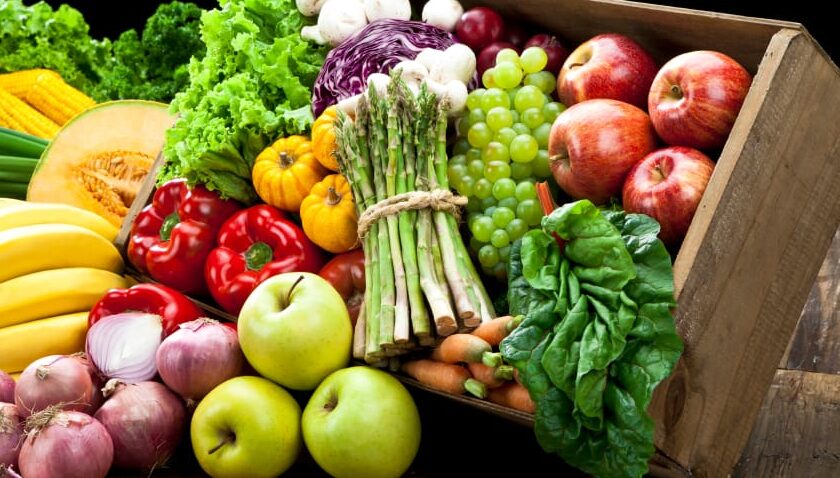
RWANDA – Rwanda exported 1,174 tonnes of fruit and vegetables between August 3 and 7, 2026, generating US$1.15 million, according to data from the National Agricultural Export Development Board (NAEB).
Vegetable exports accounted for 852 tonnes and generated US$832,949. Fruit exports contributed 322 tonnes, valued at US$317,263.
Vegetable exports significantly outpace fruit in both volume and value. Vegetables account for 852 tonnes (73%) and US$832,949 (72%) of total volume. Fruit exports contributed 322 tonnes (27%) and US$317,263 (28%) of value.
This indicates that vegetables are currently Rwanda’s primary agricultural export commodity, generating more than twice the revenue of fruit exports.
The primary global markets for Rwanda’s agricultural exports include the United Kingdom, the Netherlands, France, and India. These are complemented by the United Arab Emirates and Vietnam in the Middle East and Southeast Asia, Singapore in Southeast Asia, the United States in North America, and various African countries.
These diverse destinations demonstrate Rwanda’s expanding global footprint and ability to access premium markets across multiple continents.
The overall economic impact of Rwanda’s weekly agricultural trade is significant, with a single week generating over US$1 million in export revenue. This demonstrates the importance of horticulture as a foreign exchange earner and contributor to the national economy.
The data illustrates Rwanda’s growing influence as a key supplier in the worldwide food supply chain. The weekly export figures highlight the consistency and reliability of Rwanda’s agricultural production.
In addition, the diversity of export destinations reduces dependency on any single market, enhancing Rwanda’s resilience to trade disruptions. This performance highlights the effectiveness of NAEB’s strategies to develop export-oriented horticulture.
Moreover, for a landlocked country, achieving such export volumes demonstrates the efficiency of Rwanda’s logistics and cold chain infrastructure in maintaining product quality during transit to distant markets.
As a result, the continued growth of agricultural exports supports Rwanda’s broader economic development goals by creating rural employment, improving farmer incomes, and diversifying the economy away from traditional commodities.
Finally, as Rwanda continues to expand its horticultural production capacity and access new markets, these weekly export figures are expected to grow, further solidifying the country’s position in the global fresh produce trade.
Sign up HERE to receive our email newsletters with the latest news and insights from Africa and around the world, and follow us on our WhatsApp channel for updates.

