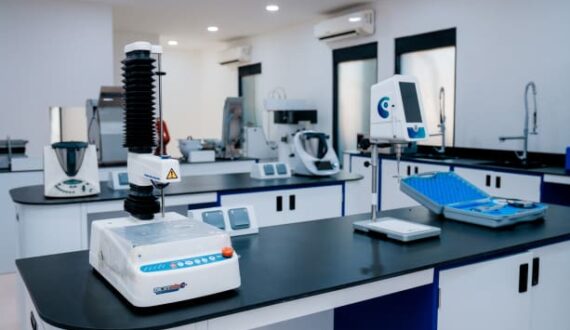

Syngenta unveils EXORT biological platform, first launch set for Latin America in 2027
Cassayre said EXORT adds a new mode of action by helping plants optimize their own natural processes.
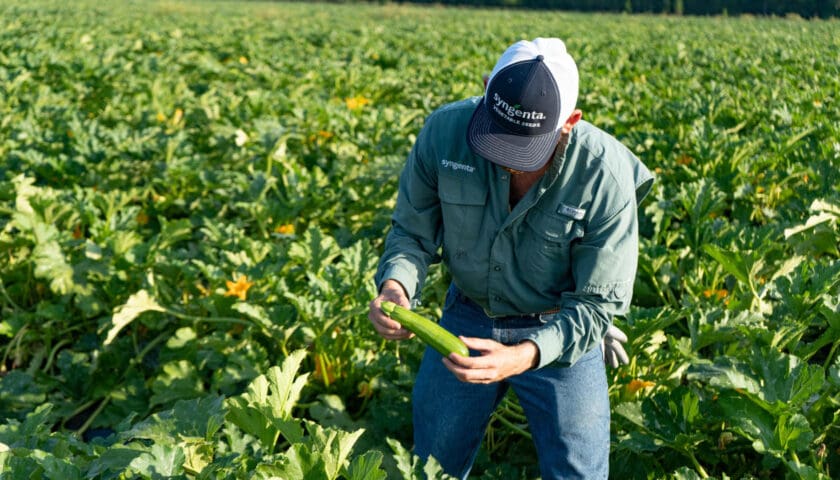
SWITZERLAND – Syngenta has unveiled EXORT, a biological platform that uses naturally occurring plant microRNAs to improve crop yields and quality at extremely low application rates, with a first commercial launch planned for Latin America in 2027, the company said.
The technology, called EXORT (short for exogenous RNA targeting), is designed to identify, extract, and deliver plant-derived microRNAs that regulate biological processes, including grain growth, fruit set, and development.
Unlike some RNA-based agricultural technologies designed to control pests or diseases, Syngenta says EXORT works directly with a plant’s existing biological signaling mechanisms to fine-tune its development and performance.
“What makes EXORT technology so exciting is that it translates a fundamental biological mechanism into a practical agricultural solution,” said Camilla Corsi, Syngenta’s head of crop protection research & development.
“Advances in genomics, bioinformatics and plant science now allow us to identify and apply beneficial natural microRNAs with unprecedented precision.”
Jerome Cassayre, Syngenta’s head of biologicals research, described microRNA function as akin to biological “dimmer switches,” fine-tuning instructions from a crop’s DNA before those instructions reach its protein-building machinery.
“EXORT technology introduces a new class of active substances and is the first novel mode of action in biologicals in more than 20 years,” Cassayre said.
Syngenta tested the technology in 240 trials across more than 15 countries and six crops between 2022 and 2025, the company said. Yield improvements compared with untreated crops ranged from 5% to 10%, with the programme covering rice, soybean, corn, cotton, fruits and vegetables.
The plant can amplify the initial microRNA signal through its own biological processes; Syngenta says that only very small quantities of active ingredient are required. Approximately 50 mg of active compound per hectare is delivered in about 100 g/ha of formulated product, which can be incorporated into an existing tank mix.
Syngenta estimates that a pallet of EXORT-based product could treat around 15 times as many hectares as a standard liquid biostimulant, while requiring around 99% less plastic packaging and 90% less storage and warehouse volume per hectare.
Cassayre said EXORT adds a new mode of action by helping plants optimize their own natural processes.
Finally, Emilhano Lima, global head of seedcare and biologicals at Syngenta, said the first EXORT-based product is on track for launch in Latin America in 2027, targeting field crops as well as fruits and vegetables
Sign up HERE to receive our email newsletters with the latest news and insights from Africa and around the world, and follow us on our WhatsApp channel for updates.