
PepsiCo, Monster challenge India’s ban on ‘Energy Drink’ labelling
The beverage makers say the FSSAI directive threatens existing product stocks, marketing investments and consumer recognition in India’s rapidly growing energy drinks market.
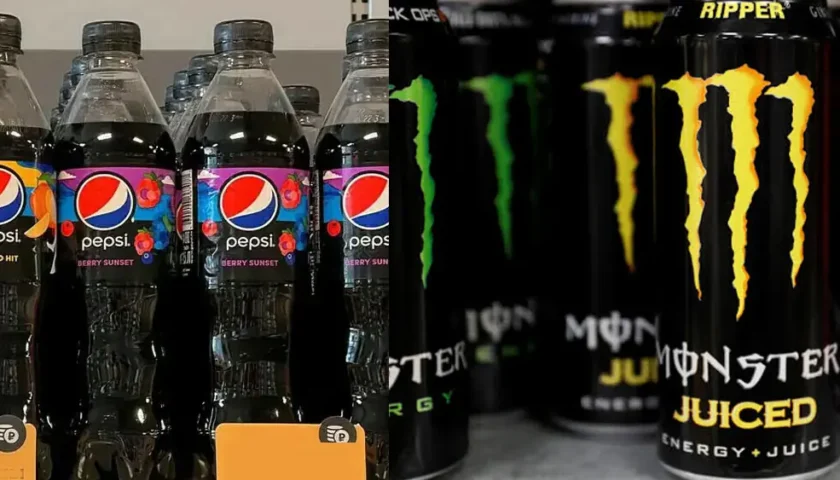
INDIA – PepsiCo India and Monster Energy India have challenged a Food Safety and Standards Authority of India (FSSAI) directive that prevents high-caffeine beverage makers from using the term “energy drink” on product packaging and advertising.
PepsiCo said that, as of July 31, 2026, it had 492 million bottles and 26 million cans carrying the disputed labelling in circulation. The company warned that an immediate prohibition would cause grave commercial consequences and hurt substantial investments in the segment.
FSSAI’s June 30 directive requires manufacturers to remove the term energy drink and similar functional claims from high-caffeine beverages within 90 days. The regulator maintains that Indian food regulations recognise these products as caffeinated beverages, rather than a statutory category called energy drinks.
The products must contain caffeine within the prescribed range of 145mg to 300mg per litre. Beverage companies argue that FSSAI had previously approved the “energy drink” descriptor in a March 2024 advisory covering e-commerce and retail classification under Food Category System 14.1.4.
PepsiCo and Monster also contend that they were not given adequate notice or an opportunity to present their cases before the June directive was issued.
Monster Energy India said in its court filing that it is suffering grave financial loss and reputational harm.
The latest challenges follow judicial relief obtained by other energy drink manufacturers. The Delhi High Court set aside FSSAI’s order against Red Bull after Justice Amit Mahajan found that the company had not been given due process and a fair hearing. FSSAI was allowed to reconsider the matter after issuing formal show-cause notices.
Hungarian beverage maker Hell Energy has also secured interim relief against state-level seizures and regulatory enforcement.
The dispute comes as India’s energy drinks market continues to expand. Euromonitor estimates retail sales are growing 12.6% annually and could reach $1.6 billion by 2028, with growth exceeding rates in the United States and China.
The market expanded significantly after PepsiCo launched Sting in India in 2017. Euromonitor said its 20-rupee bottles became popular among consumers aged 15 to 19.
Energy drinks have faced increasing regulatory scrutiny internationally because of their caffeine, sugar and taurine content. In England, sales of energy drinks to under-16s are scheduled to be banned from April next year.
The companies say the directive would also disrupt existing stocks and established consumer recognition of their products in India’s retail market.
PepsiCo and Monster are seeking relief from FSSAI’s directive, while the regulator’s position remains that the term “energy drink” is not recognised as a statutory food category under Indian regulations through ongoing court proceedings.
Sign up HERE to receive our email newsletters with the latest news and insights from Africa and around the world, and follow us on our WhatsApp channel for updates.