

France proposes extending sugar tax to high-sugar processed foods
The proposed levy would use a sliding scale based on sugar content, while bakery manufacturers warn taxation could undermine reformulation efforts.
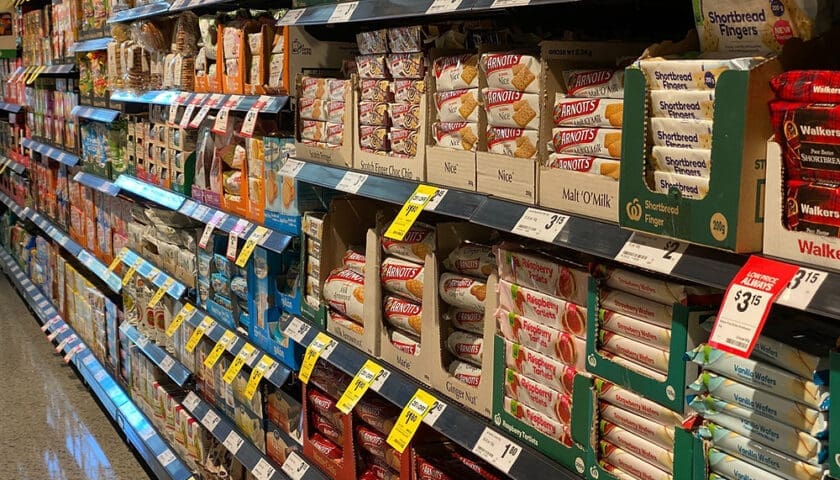
FRANCE – France has proposed extending its sugar tax on soft drinks to high-sugar processed foods as part of its 2027 budget, with the government seeking to address excessive sugar consumption and chronic diseases linked to high-sugar diets.
The proposed levy would cover industrially processed foods containing additives, often referred to as ultra-processed foods (UPFs), and would operate on a sliding scale based on sugar content.
The government said the measure would protect high-quality food produced by our farmers, as well as artisanal products.
France’s budget documents state that 40% of adults and 80% of children consume too much sugar, while consumption of processed foods has increased by 170% since the 1980s. The proposed extension is intended to tackle risks associated with excessive sugar intake, including diabetes and cardiovascular disease.
Paul Boivin, director general of Fédération des Entrepreneurs de Boulangerie (FEB), said reducing excessive sugar consumption was a major public health priority.
“Reducing excessive sugar consumption is a major public health priority. Manufacturers of bakery and patisserie products have a responsibility to contribute, and we accept that responsibility,” Boivin told FoodBev.
FEB members have submitted a voluntary agreement seeking to reduce the average sugar content of their product range by at least 5% by 2031. Boivin said the initiative aims to deliver actual sugar reduction without replacing sugar with substitutes or additives.
However, he warned that taxing products without recognising existing reformulation efforts sends a contradictory message.
“A tax alone does not guarantee a lasting improvement in diets. It is dishonest to suggest otherwise in an attempt to justify a tax in disguise,” Boivin said.
He also raised concerns about the ability of small and medium-sized businesses to absorb additional costs associated with recipe development, production trials and product testing.
Sugar reduction can affect product quality because sugar contributes to texture, appearance and shelf life, making reformulation more complex for bakery and patisserie manufacturers.
“The risk is that the tax absorbs resources needed to achieve these changes. Businesses could have to absorb the cost through lower margins or pass some of it on to consumers,” Boivin concluded.
Across Europe, sugar-reduction policies have expanded, although most existing levies target beverages. The UK plans to extend its Soft Drinks Industry Levy to dairy drinks and ready-to-drink coffees, while lowering the sugar threshold from 5g to 4.5g per 100ml from 2028.
The UK levy has helped cut average sugar content in drinks covered by the tax by almost 50% since 2018.
Poland has proposed extending its sugar tax to concentrates and ready-to-drink dietary supplements from January 2027, while Germany has proposed a soft drinks sugar tax from 2027.
Sign up HERE to receive our email newsletters with the latest news and insights from Africa and around the world, and follow us on our WhatsApp channel for updates.

