

Tanzania’s East Africa Foods raises US$40M to expand its supply chain
The expansion is expected to benefit up to 100,000 smallholder farmers, 45% of whom are women.
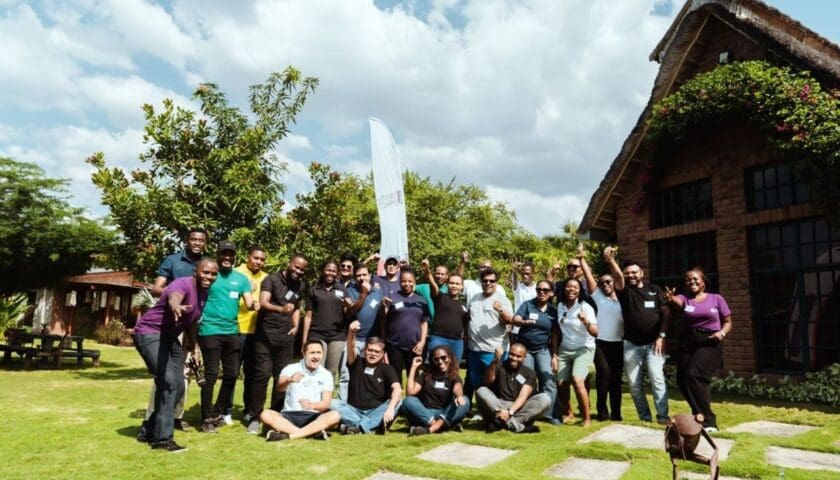
TANZANIA – East Africa Foods, an agritech company in Tanzania, has raised about US$40 million to expand its food supply chain infrastructure across East Africa, including US$26 million in Series B equity, the company said.
The US$40M raise, led by PIDG’s InfraCo alongside Oikocredit and FMO, funds cold storage, trucks, and expansion into Kenya, with US$14M debt from Schmidt Family Foundation backing the asset-heavy model.
The investment will support expansion in Tanzania and Kenya by strengthening storage, processing, transport, and digital distribution systems, thereby reducing post-harvest losses and improving farmers’ access to markets.
East Africa Foods currently sources produce from more than 28,000 registered smallholder farmers and supplies over 10,000 urban retailers in both countries.
The company says its integrated supply chain has reduced food losses by a third across its network, addressing a challenge in a region where up to 40% of food produced is lost before reaching consumers.
“A third of what our farmers grow never reaches anyone’s table. That is not a farming problem: it is an infrastructure problem, and it is solvable,” said founder and CEO Elia Timotheo.
The expansion is expected to benefit up to 100,000 smallholder farmers, 45% of whom are women, through improved market access, more predictable incomes and climate-smart agricultural practices.
Scale matters for supply reliability; for instance, aggregating thousands of smallholders reduces the risk of volume shortfalls from any single growing region, a persistent constraint for African exporters serving formal retail and export markets.
For investors, the model’s unit economics matter most. Post-harvest loss is a volume problem that destroys value before it can be monetized, so every tonne recovered flows directly to revenue without incurring additional production costs.
However, the key risk to watch is execution across geographies. The model depends on cold-chain capacity, collection infrastructure and retailer density working together in each market.
Expanding into Kenya introduces different regulatory requirements, logistics costs, and competitive dynamics than in Tanzania, where the company has established its operating base.
Finally, the company’s longer-term ambition is to scale across the continent. If the model proves replicable beyond its home market, the addressable opportunity extends beyond East Africa, where post-harvest losses remain one of the largest sources of unrealized agricultural value.
Sign up HERE to receive our email newsletters with the latest news and insights from Africa and around the world, and follow us on our WhatsApp channel for updates.