

Dual-fuel fleet grows as investment tops US$200B
Alternative-fuel-capable ships remain the dominant choice for container ship and vehicle carrier orders.
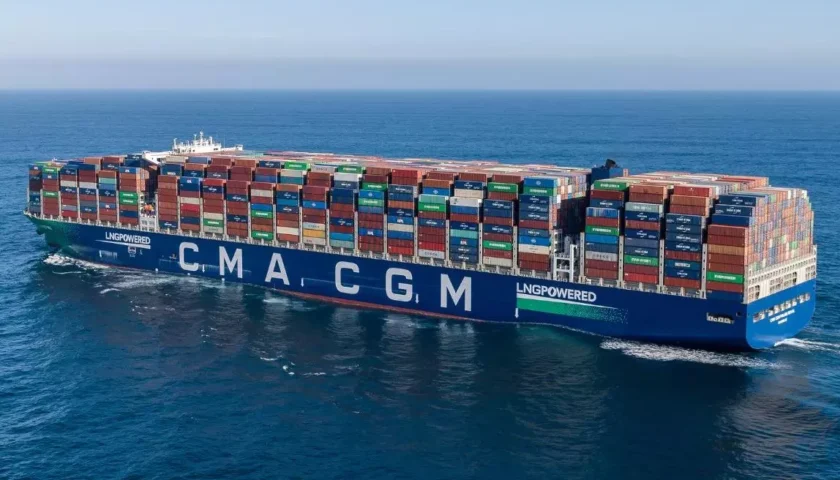
GLOBAL – According to the World Shipping Council’s dual-fuel fleet dashboard, total investment in delivered and on-order dual-fuel vessels has exceeded US$200 billion, with more than 500 dual-fuel container ships and vehicle carriers now in operation worldwide.
As of September 2026, 503 dual-fuel ships were in operation, up 41% from 358 a year earlier. Another 849 ships are on order, bringing the total delivered or on order to 1,352.
Orderbook composition and fuel capability
Alternative-fuel-capable ships remain the dominant choice for container ship and vehicle carrier orders. By deadweight tonnage, they account for 65% of container ship orders and 97% of vehicle carrier orders, compared with 23% across the rest of the global shipping fleet.
Joe Kramek, president and chief executive officer of the World Shipping Council, said: “The container ship and vehicle carrier industry have committed more than $200 billion to ships that can run on cleaner fuels, with more than 500 already sailing and hundreds more on the way. The investment is happening, but these ships need commercially competitive alternative fuels to deliver their full potential to reduce emissions.”
Regulatory uncertainty and fuel supply gaps
As the overall orderbook has expanded, orders for conventional-fuelled ships have also risen compared with a year ago. This comes amid continued uncertainty over global greenhouse-gas regulation at the International Maritime Organization.
“Ships ordered today will be operating for decades. Shipping companies and fuel producers need certainty to make investments that will shape the future fleet and its fuel supply,” Kramek said.
“We need a global measure with clear rules and strong, consistent enforcement that gives companies the confidence to invest in the production of cleaner fuels and the infrastructure needed to supply them.”
The dual-fuel investment pattern indicates a strategic hedge rather than a committed transition. Dual-fuel vessels can run on conventional fuel if alternative fuels remain unavailable or uncompetitive, thereby protecting owners against fuel-supply risk.
On the other hand, that same flexibility means environmental benefits depend on fuel availability, not vessel capability.
Meanwhile, container ships operate on variable rotations, and fuel availability across multiple ports complicates planning.
Finally, for fuel producers and investors in bunkering infrastructure, the orderbook represents committed demand. The 849 vessels on order will require alternative fuel from 2027 onwards, creating a defined market window that did not exist three years ago.
Sign up HERE to receive our email newsletters with the latest news and insights from Africa and around the world, and follow us on our WhatsApp channel for updates.