
Arandis Dry Fish Factory invests US$84K in processing technology
Namibia’s horse mackerel processor is upgrading from traditional sun-drying to industrial dehydration to improve product consistency, increase processing capacity and pursue new markets.
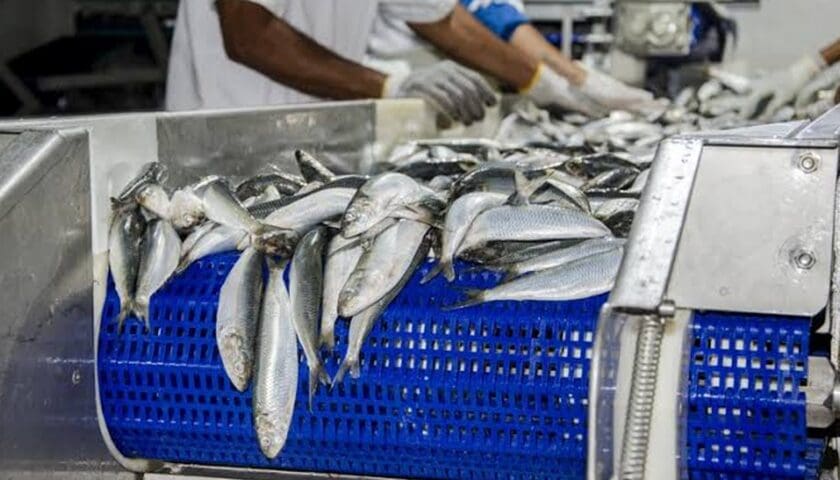
NAMIBIA – Arandis Dry Fish Factory has invested approximately N$1.4 million (US$ 84,195.90) in an industrial dehydrator as the Namibian-owned company seeks to expand horse mackerel processing capacity, improve product quality and strengthen its access to new markets.
The machine, procured from China-based Ike Machinery in June 2026, marks a shift towards more advanced processing technology at the factory in Arandis, in Namibia’s Erongo Region.
According to the company, the funding will be used to improve drying consistency, increase output and support the production of dried fish products that meet more demanding quality requirements.
David Ipinge, chairperson of Arandis Dry Fish Factory, said the investment reflects the company’s commitment to adding value to Namibia’s marine resources, creating jobs and improving access to locally processed fish products.
Established in 2012, the factory is owned by three Namibian fishing rights holders: Reho Fishing, Dorros Fishing (Pty) Ltd and Starlit.
The business processes horse mackerel into dried fish and fish biltong, serving a market for preserved seafood products.
Modernising fish processing
Measuring 6,300 mm by 2,000 mm by 2,500 mm, the new dehydrator uses controlled moisture removal to support more consistent drying and preservation.
Unlike traditional sun-drying, which depends on weather conditions and environmental exposure, industrial dehydration provides greater control over processing conditions.
The technology could help the factory improve production planning, reduce variability between batches and strengthen its ability to supply customers with consistent products.
Arandis previously relied primarily on natural sun-drying using a netting system. While the method supported the development of its core product range, the new equipment represents an investment in processing modernisation as the company seeks to grow beyond its existing customer base.
The factory also aims to improve its readiness to serve markets with stricter food safety and quality requirements, including those applying Hazard Analysis and Critical Control Points (HACCP) principles and relevant International Organization for Standardization (ISO) standards.
Meeting these requirements will depend on the factory’s broader food safety management systems, not equipment alone.
Strengthening local value addition
The investment also reflects a wider push to retain more economic value from Namibia’s marine resources through domestic processing rather than relying exclusively on harvesting and the sale of raw fish.
By transforming horse mackerel into finished products, the factory aims to support local employment and create opportunities across processing, distribution and retail. Such activities can broaden the economic contribution of the fishing industry beyond harvesting.
For seafood processors, investments in preservation technology can help extend product usability, improve consistency and open opportunities in markets that require reliable quality and traceability.
However, commercial gains will depend on production costs, market demand and the company’s ability to meet the requirements of prospective buyers.
Arandis Dry Fish Factory’s latest investment builds on more than a decade of experience in dried seafood production.
While the company has not disclosed its targeted production volumes or an implementation timeline, the new dehydrator is intended to strengthen its processing capabilities and support further growth in Namibia’s value-added seafood sector.
Sign up HERE to receive our email newsletters with the latest news and insights from Africa and around the world, and follow us on our WhatsApp channel for updates.