Zimbabwe plans cold rooms, ice units to cut post-harvest losses
Kadungure said the intervention would curb post-harvest losses, protect product quality and give farmers greater leverage.
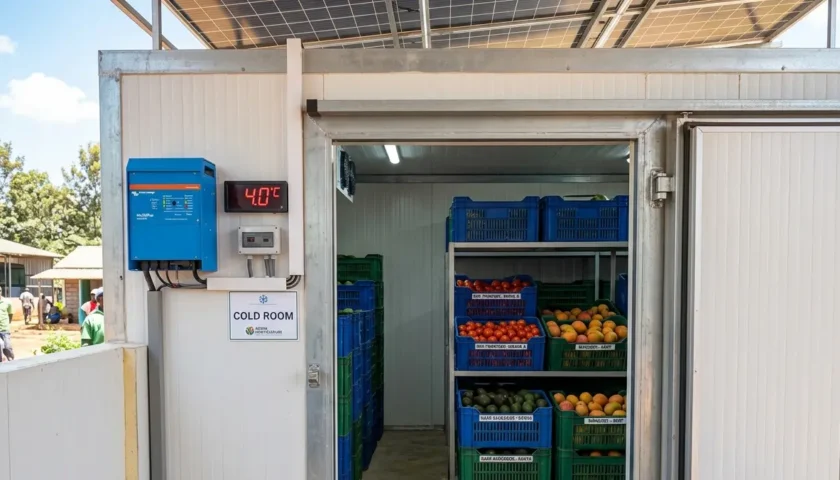
ZIMBABWE – The Agriculture and Marketing Authority plans to pool resources with development partners to set up strategic cold-chain facilities aimed at curbing post-harvest losses and widening market access for farmers, the authority has said.
The planned infrastructure includes cold rooms, ice-making plants and refrigerated transport to help preserve and distribute perishable products, including fish, horticultural produce and meat.
The move comes as Zimbabwe seeks to strengthen its agricultural value chains by addressing infrastructure and marketing bottlenecks that erode farm profitability.
For growers, the key change concerns the selling decision. AMA market and research expert Ebenezer Paida Kadungure said the facilities would give farmers greater say over when and where they sell.
“These facilities will also help farmers and other value-chain players to store their products while waiting for buyers and to have favourable market opportunities instead of just being forced to sell immediately or risk losing their produce,” she said.
As a result, that shift from forced selling to negotiated selling shifts the balance of power.
Without storage, a farmer harvesting at peak season has little choice but to accept whatever price buyers offer, since holding onto the produce means watching it spoil.
Cold rooms turn a perishable commodity into one that can be kept for days or weeks, allowing the grower to wait for demand to pick up or to supply a buyer outside the harvest window.
Kadungure said the intervention would curb post-harvest losses, protect product quality and give farmers greater leverage.
“Our intention is to reduce post-harvest losses, food losses, to preserve product quality and also to improve the market supply and give farmers better opportunities to negotiate favourable prices,” she said.
Moreover, the authority is also ready to work with stakeholders to establish structured market days that link producers with buyers and other value-chain players.
Drawing on AMA’s experience in running livestock marketing activities, Kadungure said the platforms could offer reliable market opportunities and bring together buyers, processors, input suppliers and service providers.
“We look forward to working with these stakeholders to identify suitable locations, agree on how the market days will operate and also come up with a calendar for the market days,” she said.
Finally, the authority urged farmers to adopt quality standards and market information as core elements of production.
Sign up HERE to receive our email newsletters with the latest news and insights from Africa and around the world, and follow us on our WhatsApp channel for updates.