

Tru-Cape reports nearly 50% rise in apple exports to China after tariff removal
Tru-Cape is managing volumes carefully to avoid oversupplying the market and eroding the price gains that the tariff removal has created.
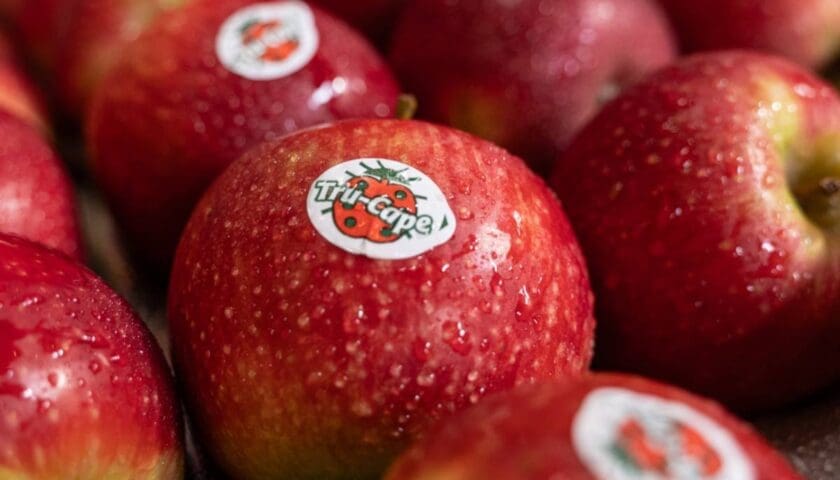
CHINA – Tru-Cape Fruit Marketing has reported an almost 50% year-to-date increase in apple exports to China after China removed import tariffs on South African fruit, according to Conrad Fick, the company’s marketing director.
Until 1 May 2026, South African fruit entering China faced a 10% import tariff. Its reduction to 0% is bringing South Africa in line with other Southern Hemisphere suppliers.
“The playing field is now definitely level, with all Southern Hemisphere countries enjoying a zero tariff,” Fick says.
Tru-Cape is accounting for more than 20% of South African apple exports to China.
“The tariff reduction presents a good opportunity to expand our market share in Chinese retail,” Fick says.
“South African Royal Gala Red and Royal Beaut apples are performing particularly well, and we are also seeing growing acceptance of the Flash Gala brand, which is helping to increase both volumes and prices.”
Fick says quality remains important in China, where consumer preferences influence demand, and smaller apples can also find opportunities when supply is limited.
Meanwhile, South African apples are gaining market share in retail and snacking. “Chinese consumers appreciate the flavour profile of South African apples,” Fick says.
However, increased South African shipments following the tariff reduction are pressuring prices, making it important to balance supply with demand and producer returns.
As a result, Tru-Cape is managing volumes carefully to avoid oversupplying the market and eroding the price gains that the tariff removal has created.
Roelf Pienaar, Tru-Cape’s managing director, says the removal of Chinese tariffs is supporting market development, while similar changes are needed in India, where South African apples continue to face a 50% import duty.
“Our biggest challenge for 2027 will be the changes to import duties in India,” Pienaar says. “From January 2027, import duties on apples from New Zealand are set to decrease from 50% to 25%, while chances are good that duties for the European Union will fall from 50% to 20%. There is still no certainty about when South Africa’s duty, which remains at 50%, will be reduced.”
For Tru-Cape, developments in China and India show how import duties affect market access and competitiveness, with lower tariffs supporting exports to China and comparable changes in India helping maintain South Africa’s position in that market.
Sign up HERE to receive our email newsletters with the latest news and insights from Africa and around the world, and follow us on our WhatsApp channel for updates.