Ain Sokhna port handles 60% of Egypt’s citrus exports, powering global trade
Beyond maritime operations, Ain Sokhna offers diverse transport connectivity via rail and road.
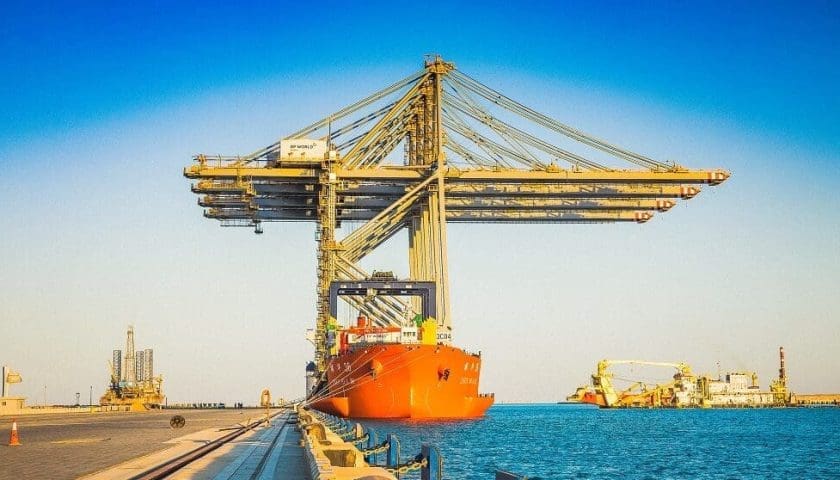
EGYPT – Ain Sokhna Port has handled 60% of Egypt’s citrus shipments, helping the country rise to a top-five global exporter.
For fresh produce buyers and food logistics investors, Ain Sokhna Port’s specialized reefer infrastructure is the engine behind this success, connecting Egyptian growers to major markets in the Gulf, India, and the Far East.
Reefer Capacity and Vessel Handling
The port, managed by DP World, features two dedicated reefer berths with capacities of 584 and 320 plugs, respectively.
This cold chain infrastructure ensures that perishable citrus shipments maintain temperature integrity from storage through to vessel loading. The port can accommodate a range of vessel types, including LNG carriers, dry bulk ships, and cruise liners, with ongoing investments expanding terminal capacity.
With a quay length of 1.3 kilometres across three berths, the port handles 1.75 million TEUs annually and employs more than 1,000 workers.
The terminal also has a full capacity of 10,714 TGs or 38,424 TEUs, with a yard stacking area of approximately 2,340 TGs or 10,530 TEUs. The facility can accommodate ultra-large vessels, utilizing underwater berths and international shipping line networks to access key trade routes.
Multimodal Connectivity and Sustainability
Beyond maritime operations, Ain Sokhna offers diverse transport connectivity via rail and road. Daily trips to Cairo’s industrial areas carry up to 60 TEUs per trip, reducing CO2 emissions compared with truck-only transport. The port is easily accessible to 18 million consumers via a modern, six-lane highway.
From storage to yard and quayside operations, intermodal transport and value-added solutions, the port handles all cargo types smoothly, safely and efficiently. This integrated approach balances trade flows from heavy industry and tourism while maintaining economic development goals.
Outlook for Food Investors
For investors in Middle Eastern and African food, Ain Sokhna’s efficiency shows how strategic port infrastructure can enhance a nation’s competitiveness in agricultural exports.
The combination of dedicated reefer capacity, multimodal links, and ultra-large vessel handling creates a replicable model for fresh-produce hubs across the region.
As global demand for citrus continues to grow, Egypt’s logistical advantage positions it for sustained leadership in high-volume agricultural trade.
Sign up HERE to receive our email newsletters with the latest news and insights from Africa and around the world, and follow us on our WhatsApp channel for updates.