

Crop Trust, CIP launch project to breed climate-resilient Kenyan potatoes
The project will directly involve 500 to 1,000 farmers in trials and demonstrations, with more than half being women.
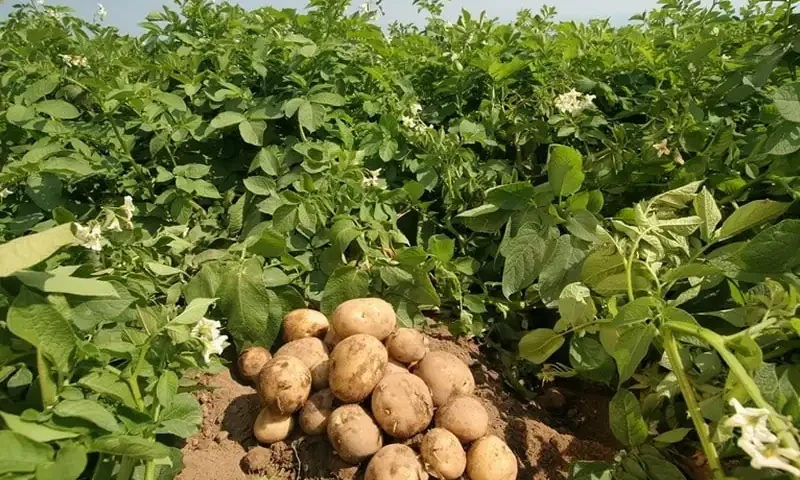
KENYA – The Crop Trust and the International Potato Center (CIP) have launched a new phase of the BOLD project in Kenya, moving potato diversity with wild-relative traits through breeding and testing toward farmers’ fields, according to the Crop Trust.
The Biodiversity for Opportunities, Livelihoods and Development (BOLD) project aims to develop a new commercial potato variety that combines climate and disease resistance with the yield, quality, and other characteristics valued by farmers and markets.
Wild potato relatives from the Andes possess resilient genetic traits that can help breeders address rising temperatures, unpredictable rainfall, and pest and disease pressure.
Late blight still destroys around a third of global potato yields, while potato cyst nematodes can reduce yields by up to 80%, costing Kenya alone more than US$127 million each year, according to the organizations.
Building on the project’s previous phase, researchers will advance 54 promising potato materials with traits from wild relatives through a structured breeding pipeline, using multi-location testing, genomic tools, and farmer participation to identify the best candidates.
The project will directly involve 500 to 1,000 farmers in trials and demonstrations, with more than half being women.
“This is why we conserve crop diversity,” said Dr Benjamin Kilian, BOLD Project Coordinator at the Crop Trust.
“Wild relatives contain options that agriculture may need as conditions change. BOLD is helping move that diversity from genebanks into breeding programs, through seed systems and ultimately into farmers’ fields.”
Therefore, the new BOLD phase aims to establish a seed-to-market pathway alongside the breeding work, with the Kenya Agricultural and Livestock Research Organization playing a central role and the Agricultural Development Corporation’s Seed Potato Complex at Molo developing a central hub for early-generation seed.
“Finding useful traits is only the beginning,” said Dr Thiago Mendes, BOLD principal investigator with CIP. “We need to move that diversity through breeding, test it with farmers and make sure quality seed can be produced at scale. We’re looking for a potato that can cope with tougher growing conditions and that farmers actually want to grow.”
The work builds on an earlier Crop Trust–CIP collaboration that contributed to the release of two late-blight-resistant varieties in Peru, CIP-Matilde and CIP-Asiryq, now grown by local farming communities.
Lastly, the project will also engage the East African Potato Breeding Network to make BOLD-developed diversity available for testing in Ethiopia, Rwanda, Uganda, Tanzania and other countries.
Sign up HERE to receive our email newsletters with the latest news and insights from Africa and around the world, and follow us on our WhatsApp channel for updates.