

HMM third-quarter operating profit rises 370%
The bulk shipping division recorded operating profit of KRW 378 billion (US$283.2 million), an increase of 418.5%.
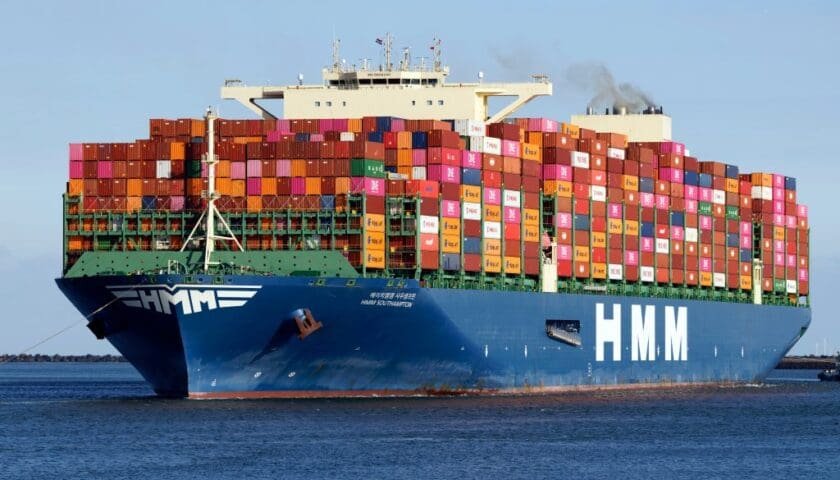
SOUTH KOREA – HMM has reported a 370% year-on-year increase in operating profit for the third quarter of 2026, rising to KRW 1.40 trillion (US$1.05 billion) from KRW 297 billion (US$222.5 million), according to a company statement.
Quarterly revenue increased 52% to KRW 4.13 trillion (US$3.09 billion), while net profit rose 405% to KRW 1.54 trillion (US$1.15 billion).
The operating profit margin reached approximately 34%.
Container and bulk division performance
For the first nine months of 2026, the container division recorded an operating profit of KRW 1.64 trillion (US$1.23 billion), up 55.3% year on year, driven by network expansion, the hub-and-spoke strategy and higher-yield cargo.
Group revenue for the nine-month period reached KRW 10.25 trillion (US$7.68 billion), up 25%, while operating profit increased 76% to KRW 2.02 trillion (US$1.51 billion).
The bulk shipping division recorded operating profit of KRW 378 billion (US$283.2 million), an increase of 418.5%. Its share of total operating profit rose from 6.4% to 18.8%.
Fleet diversification and earnings mix
HMM continues to expand its fleet into car carriers, gas carriers and multipurpose vessels, growing the bulk fleet from 44 vessels in March 2025 to 61 by the first half of 2026.
The bulk division’s share of group operating profit has shifted from 6.4% to 18.8%, representing the most significant structural change in the results.
Container shipping remains the dominant earnings source, but bulk’s contribution nearly tripled in relative terms, indicating that HMM’s earnings base is broadening beyond a single segment exposed to container freight rate cycles.
Container rates respond to capacity deployment and alliance network decisions, while bulk rates track commodity demand from China and seasonal grain and iron ore flows.
However, the two cycles do not always move together, so a larger bulk contribution reduces earnings volatility across market cycles.
The 34% operating margin is high for container shipping and reflects the third-quarter freight-rate environment, when Asian port congestion absorbed capacity and pushed spot rates higher.
The sequential jump in operating profit of 295% between the second and third quarters shows how quickly earnings respond to rate movements in a tight-capacity market.
Ultimately, sustaining that margin into 2027 depends on whether congestion persists and whether new vessel deliveries dilute the supply-demand balance.
Sign up HERE to receive our email newsletters with the latest news and insights from Africa and around the world, and follow us on our WhatsApp channel for updates.