
Maersk adjusts WAF7 service for South African fruit season, adds Port Elizabeth, Pointe Noire
These strategic adjustments aim to optimize global trade flows while ensuring regional connectivity remains uninterrupted.
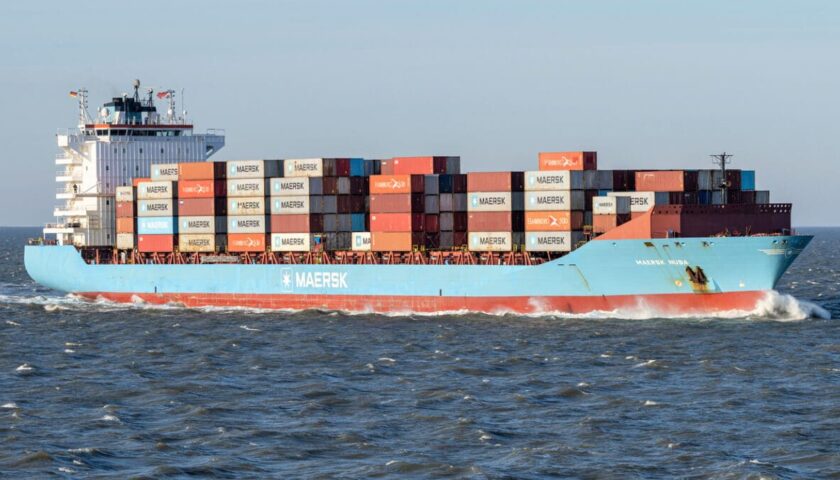
SOUTH AFRICA – Maersk has introduced seasonal changes to its Mediterranean-West Africa WAF7 service, extending the route to South Africa to support the country’s fruit export season, adding calls at Pointe Noire and Port Elizabeth while removing Freetown from the rotation.
Under the revised rotation, the WAF7 service will call at Tangier, Conakry, Pointe Noire, and Port Elizabeth, then return to Tangier. The updated schedule adds calls at Pointe Noire in the Republic of the Congo and at Port Elizabeth in South Africa.
As part of the changes, Freetown has been removed from the WAF7 rotation and will instead be served by a dedicated Northern West Africa Plus feeder service operating between Tangier and Freetown.
Seasonal Capacity for South African Fruit Exports
According to Maersk, the seasonal adjustment aims to increase South African export capacity during the fruit shipping season while maintaining dedicated coverage for Freetown via the separate NWAP service.
The updated WAF7 service adds stops in Port Elizabeth and Pointe Noire to increase transport capacity for perishable goods during the peak fruit export period.
Freetown Feeder Service and Regional Connectivity
Freetown in Sierra Leone will instead be served by a dedicated Northern West Africa Plus (NWAP) feeder service operating between Tangier and Freetown. This change ensures uninterrupted regional connectivity while allowing the main WAF7 service to focus on the South African fruit trade route.
The feeder service model offers more flexible scheduling for West African ports that do not require the same capacity as the primary South Africa-Europe Lane.
Strategic Balance for Agricultural Exports
These strategic adjustments aim to optimize global trade flows while ensuring regional connectivity remains uninterrupted. The changes reflect a seasonal effort to balance the demands of agricultural exports with consistent cargo coverage across West Africa.
Therefore, by updating the WAF7 service, Maersk has increased transport capacity for perishable goods while maintaining efficiency for other regional ports via the feeder service.
The seasonal extension of the WAF7 service to South Africa is a strategic response to market demand, adding capacity during the fruit-export season to ensure producers have access to the logistics infrastructure required to reach international markets.
This seasonal effort reflects Maersk’s commitment to balancing the demands of agricultural exports with consistent cargo coverage across West Africa, ensuring the network meets market needs while maintaining service standards for all ports and customers in the region.
Sign up HERE to receive our email newsletters with the latest news and insights from Africa and around the world, and follow us on our WhatsApp channel for updates.