
Oman, GCC states propose joint digital logistics market
Participants reviewed supply-chain and transport challenges, particularly those affecting containers and strategic commodity warehouses.
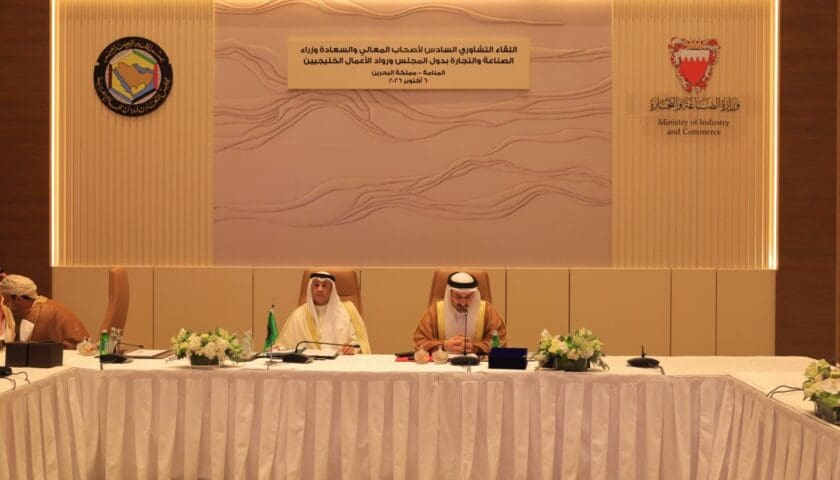
MIDDLE EAST – Oman and other Gulf Cooperation Council member states have proposed creating a joint digital logistics market to improve trade efficiency across the bloc, according to a statement following the 15th Consultative Meeting in Manama.
The proposal is part of wider discussions on government-private sector cooperation to address economic, logistical, and geopolitical challenges facing regional businesses.
Digital integration, free zones and SME financing
Ghalib Said Al Maamari, Undersecretary for Commerce and Industry at the Ministry of Commerce, Industry and Investment Promotion, led the Omani government delegation, while Rashid Amer Al Maslahi, First Deputy Chairman of the board, led the Oman Chamber of Commerce and Industry delegation.
Participants discussed how a joint digital logistics market could facilitate the movement of goods, improve coordination across markets and create a more connected Gulf logistics network.
The meeting also examined the challenges facing factories in GCC free zones, where competition has intensified as multiple member states offer similar incentives for manufacturing and re-export activities.
Moreover, Sheikh Khalifa Jassim Mohammed Al Thani, President of the Federation of Gulf Chambers, emphasized the need to enhance Gulf economic integration and to develop a flexible trade and logistics system capable of responding to regional and international disruptions.
Supply chain costs and geopolitical pressure
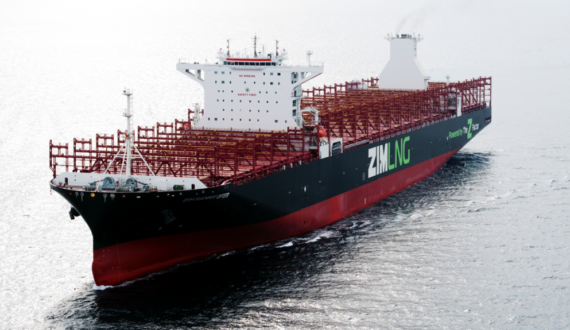
Participants reviewed supply-chain and transport challenges, particularly those affecting containers and strategic commodity warehouses.
They also discussed ways to address rising shipping, transport, and marine insurance costs, which have put further pressure on businesses and trade flows.
Meanwhile, those costs have risen sharply in 2026, with marine war-risk insurance premiums for Gulf port calls increasing following disruptions in the Strait of Hormuz and the Red Sea.
Maersk introduced emergency freight rates of up to US$4,800 per container for cargo moving to and from Iraq, Kuwait, Bahrain, Qatar, the UAE, Dammam and Jubail. On the other hand, Asian port congestion reached 4.3 million TEU in September 2026, exceeding the 4.0 million TEU recorded at the pandemic peak, according to Linerlytica.
Al Maslahi called for continued coordination among the Federation of Gulf Chambers, the GCC General Secretariat and relevant authorities to develop practical solutions, remove bureaucratic barriers and create a more attractive investment environment.
For logistics operators, the digital market proposal signals a move towards harmonized customs and documentation across member states, though implementation depends on national systems integrating with a shared platform.
Sign up HERE to receive our email newsletters with the latest news and insights from Africa and around the world, and follow us on our WhatsApp channel for updates.