
Rwanda scales up avocado industry to expand export earnings
Demand for avocados is growing across those regions, but Rwanda faces competition from established exporters, including Kenya, South Africa, Mexico and Peru.
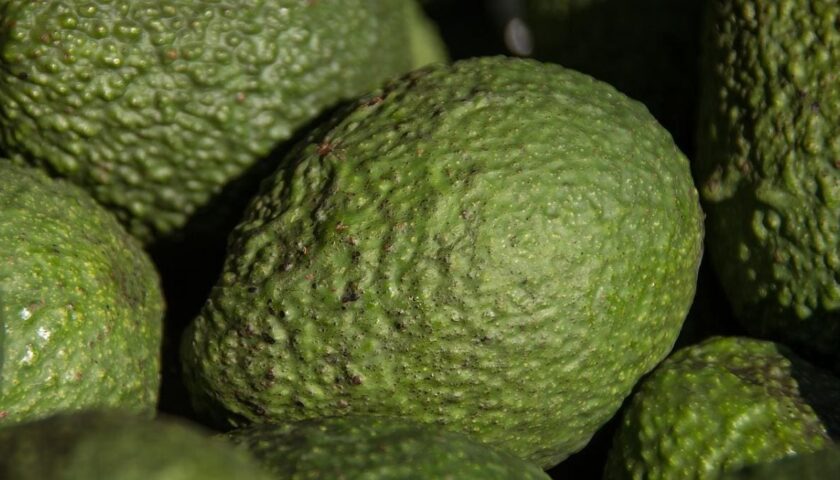
RWANDA – Rwanda is developing strategies to expand avocado cultivation, improve fruit quality, attract investment and increase access to international markets.
Growers, exporters, and representatives from the National Agricultural Export Development Board and the Horticulture Exporters Association of Rwanda convened for a three-day meeting to examine supply-chain challenges.
Discussions are covering cultivation, harvesting, processing, packaging and international distribution, with participants examining findings from an avocado farming census to identify industry gaps, guide investment decisions and diversify export destinations.
For exporters, the competitive challenge is defined by what buyers in Europe, the Middle East and Asia require.
Demand for avocados is growing across those regions, but Rwanda faces competition from established exporters, including Kenya, South Africa, Mexico and Peru.
Moreover, export requirements include consistent supply volumes, phytosanitary compliance, traceability, harvesting practices, cold-chain infrastructure, and adherence to international food-safety standards.
Meeting these requirements consistently is what separates suppliers who win contracts from those who lose them after a single rejected shipment.
Meanwhile, Rwanda’s landlocked position adds a cost layer that coastal competitors do not face.
For instance, transport costs and logistics are identified as challenges, and for perishable fruit, distance to port translates directly into time, cost, and quality risk.
That constraint explains why the sector is pursuing value-added processing alongside fresh exports, since processed products such as avocado oil and cosmetics are less time-sensitive and can absorb fruit that fails fresh export standards.
As a result, stakeholders are exploring investment opportunities in processing facilities for avocado oil, cosmetics, and other products to reduce post-harvest losses and increase grower incomes.
This diversification matters commercially, as fresh avocado prices fluctuate with global supply, while processed products command more stable premiums and create demand for lower-grade fruit that would otherwise be wasted.
The initiative is part of Rwanda’s strategy to diversify exports, reduce its trade deficit, and increase foreign exchange earnings.
For a landlocked economy with a narrow export base, expanding avocado production offers a route to higher-value agricultural trade, but the sector’s success will depend on Rwanda’s ability to deliver consistent volumes at competitive landed costs, not simply on increasing production.
Sign up HERE to receive our email newsletters with the latest news and insights from Africa and around the world, and follow us on our WhatsApp channel for updates.