

Saudi Arabia spices market expected to reach US$501.45M by 2030 – Research and Markets
Globalization, combined with a sizable expatriate workforce and a cultural shift toward international cuisines, has played a critical role in shaping local food preferences.
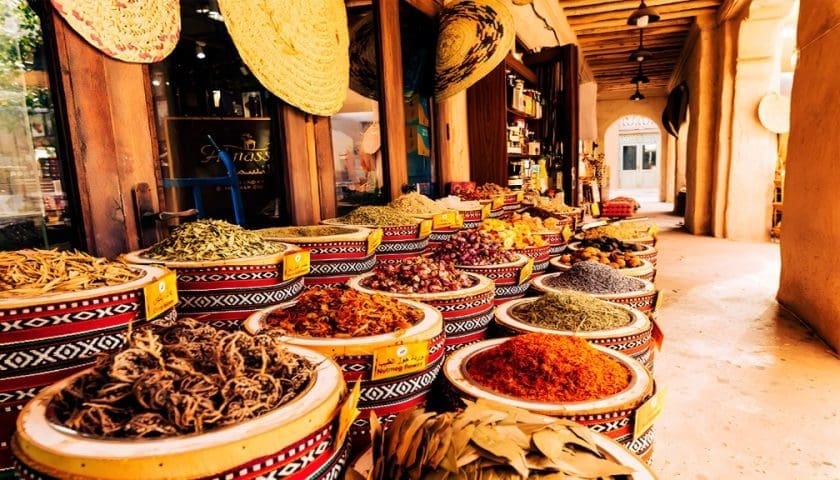
SAUDI ARABIA – The Saudi Arabia Spices Market, valued at USD 357.53 million in 2024, is expected to reach USD 501.45 million by 2030, growing at a CAGR of 5.80%.
The rising demand for diverse and flavorful cuisines, combined with increasing consumer awareness of the health benefits of natural and organic spices, underpins this growth.
Globalization, combined with a sizable expatriate workforce and a cultural shift toward international cuisines, has played a critical role in shaping local food preferences.
The increased popularity of Middle Eastern, Indian, and Asian dishes has inspired younger consumers, influenced by global culinary trends, to explore fusion recipes and gourmet cooking.
In turn, the hospitality industry has expanded its use of a wider variety of spices to meet the evolving culinary tastes of its customers.
Supporting market development, government initiatives aimed at strengthening food security and increasing domestic production have played a pivotal role in shaping the trajectory of Saudi Arabia’s spices market.
Industry innovations, including improved spice packaging, the introduction of organic product lines, and the rapid expansion of digital retail platforms, complement these efforts.
Together, these elements have fostered a more dynamic and competitive spices sector across the region, helping it respond to shifting consumer expectations, global flavor trends, and broader sustainability goals.
Emerging Trends
A notable trend in the Saudi Arabian market is the rising preference for premium and exotic spice varieties among high-income households and culinary enthusiasts.
Specialty spices such as saffron, sumac, za’atar, and harissa are gaining popularity for use in both traditional and contemporary dishes.
In response, brands are adopting resealable, eco-conscious, and visually striking packaging to capture consumer attention.
Collaborations with celebrity chefs and social media influencers are enhancing brand visibility, while the growth of upscale restaurants and specialty retailers is making high-end spice selection.
Key Market Challenges
However, the market continues to face significant challenges.
Saudi Arabia remains heavily dependent on imports, with approximately 95% of spices sourced from countries such as India (45%), the UAE (20%), and China (15%).
This makes the market susceptible to global supply chain disruptions caused by geopolitical tensions, trade restrictions, and logistical challenges, as witnessed during the COVID-19 pandemic.
Climate change further impacts spice-producing regions, resulting in inconsistent supply and price volatility. Limited domestic production exacerbates these issues, increasing costs and supply risks.
Competitive Landscape
Despite these constraints, the competitive landscape of the Saudi spices market includes several key players.
Leading companies include Mehran Spice & Food Industries. Shan Foods Private Limited, Savola Group (Afia), Basamh Trading Company, Eastern Condiments Pvt Ltd, Esnad Company Limited, LuLu Hypermarket LLC, FoodNation Co., Abdul Aziz Hamad Al Fares And Sons Company, and Everest Food Products Pvt. Ltd.
Among the most commonly consumed and traded spices in Saudi Arabia are cardamom, coriander, cumin, pepper, cinnamon, turmeric, and a variety of others, reflecting both cultural preferences and the region’s growing culinary diversity.
Sign up HERE to receive our email newsletters with the latest news and insights from Africa and around the world, and follow us on our WhatsApp channel for updates.