
Published
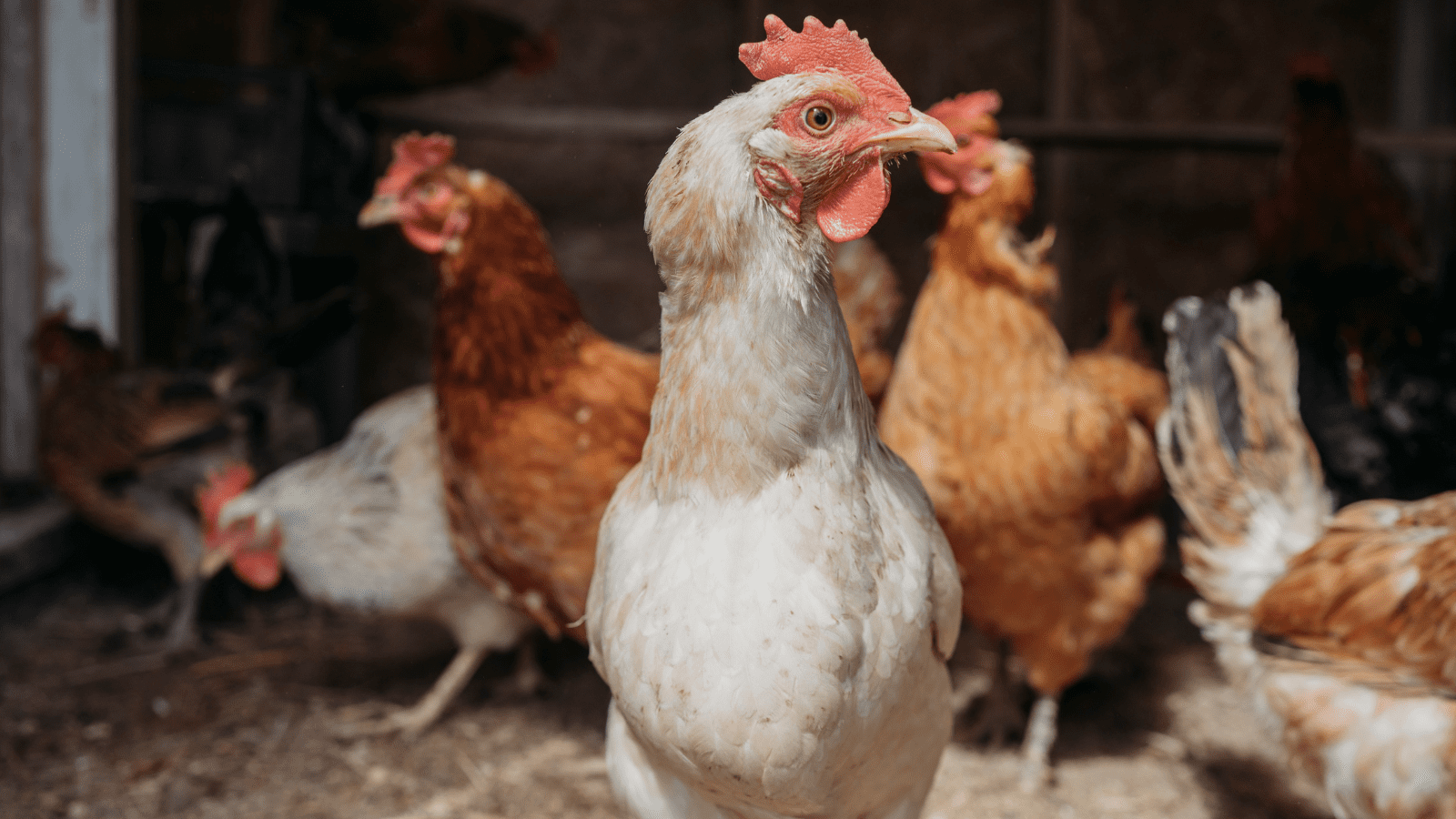
TANZANIA – The Tanzanian poultry industry is struggling with significant challenges from cheap imports and illegal trade, threatening local farmers and investors despite advancements in production and infrastructure.
To secure the industry’s future, the government and stakeholders must reduce operational costs, enhancing Tanzania’s competitiveness within the Southern African Development Community (SADC), the East African Community (EAC), and globally.
This strategy would make poultry products more affordable for Tanzanians and boost regional exports, attracting foreign exchange and investments.
Tanzania’s history with industry struggle
In March 2005, the market was flooded with Brazilian chicken priced at Tsh2,000 (US$2) due to a bird flu-induced ban on South African poultry, severely undercutting local producers.
The government urged farmers to improve quality, emphasizing the need for stronger regulations to monitor imports and prevent dumping.
By June 2006, Tanzania had banned poultry imports to protect against bird flu, a protective measure reinforced in June 2016 with a ban on chicks and fresh poultry meat from certain countries.
Global pressures surfaced in July 2017 when the U.S. urged Tanzania to lift its poultry import ban under World Trade Organization standards.
Tanzania’s resolve was evident when thousands of illegally imported chicks were destroyed at borders in late 2017 and early 2018.
The government banned day-old chick imports again in July 2022 to protect local hatcheries.
Despite this, international interest persisted, with Poland seeking market entry in late 2023.
A significant breakthrough occurred in April 2024 when Kenya and Tanzania resolved trade disputes, agreeing on seamless poultry trade.
The reigning situation
Despite these challenges, Tanzania’s poultry sector has grown.
From 2017 to 2023, the chicken population grew at a compound annual rate of 6.18%, with exotic chickens surpassing local ones by 2019.
In 2023, exotic chickens reached 55.7 million, 54% of the total population.
Key statistics for 2023 included 132,442 metric tons of poultry meat, 6.41 billion eggs, and substantial infrastructure growth, attracting over US$200 million in investments.
Liked this article? Sign up to receive our email newsletters with the latest news updates and insights from Africa and the World HERE
No related posts.
We use cookies to improve your experience on our site. By using our site, you consent to cookies.
Manage your cookie preferences below:
Essential cookies enable basic functions and are necessary for the proper function of the website.
These cookies are needed for adding comments on this website.
Google's current Sign in with Google client library. It renders the Google sign-in button, or the One Tap prompt, so visitors can log in to your site with their Google account. It replaces the older Google Sign-In platform library.
Service URL: policies.google.com (opens in a new window)
Google Tag Manager simplifies the management of marketing tags on your website without code changes.
Statistics cookies collect information anonymously. This information helps us understand how visitors use our website.
Google Analytics is a powerful tool that tracks and analyzes website traffic for informed marketing decisions.
Service URL: policies.google.com (opens in a new window)
WPMU DEV Analytics is the visitor statistics feature of the WPMU DEV Dashboard plugin. It reports traffic and visitor behavior inside The Hub using a Matomo analytics instance hosted by WPMU DEV.
Service URL: wpmudev.com (opens in a new window)
Marketing cookies are used to follow visitors to websites. The intention is to show ads that are relevant and engaging to the individual user.
AddToAny provides share and follow buttons that let visitors post your pages to social networks, messaging apps, and bookmarking services.
Service URL: www.addtoany.com (opens in a new window)