
Tunisia to target 52% growth in aquaculture output by 2030
Sector expected to reach 35,000 tonnes of fish production
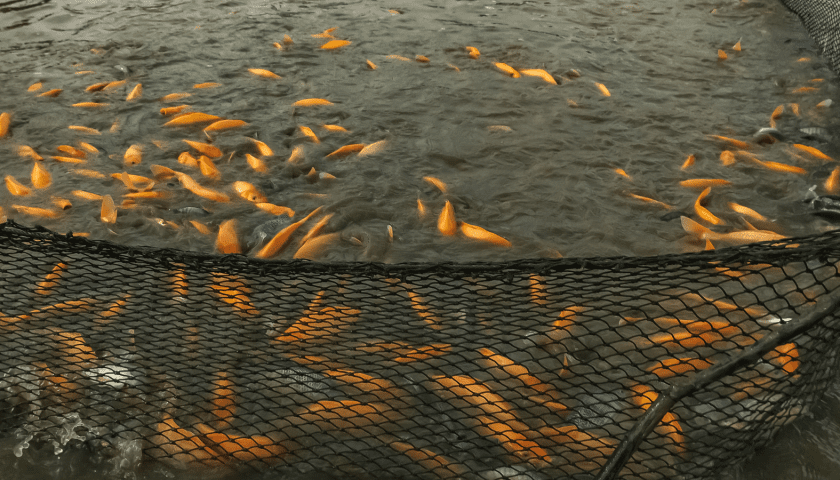
TUNISIA – Tunisia has set a goal of increasing aquaculture production by 52 percent by 2030, aiming to reach 35,000 tonnes of fish, according to a recent report from the United States Department of Agriculture (USDA).
The target compares with the 23,003 tonnes produced in 2024, when aquaculture represented about 13 percent of the total value of national fish output.
The USDA noted that expanding farmed fish production is becoming an important way to reduce pressure on Tunisian waters, where overfishing, traditional practices, and illegal catches have strained natural stocks.
Industry experts forecast annual growth of about 9 percent, supported by rising domestic demand and opportunities in export markets.
Recent years have seen a sharp rise in investment, with the Agricultural Investment Promotion Agency (APIA) reporting that aquaculture projects approved in 2024 totaled 26 million dinars (US$8.4 million), compared with 1.8 million dinars (US$0.6 million) the previous year.
APIA said that in the first seven months of 2025 alone, it approved nearly 47 million dinars (US$16.2 million) in new projects, nearly double the amount invested in the entire previous year.
These projects are expected to establish new farms and upgrade existing operations through modernized infrastructure and more efficient techniques.
Despite the anticipated growth, capture fisheries remain the dominant source of fish in Tunisia, accounting for 87 percent of the 158,500 tonnes of fish products landed in 2022, according to the General Directorate of Fisheries and Aquaculture.
Aquaculture in Tunisia is primarily conducted in marine environments, with the USDA reporting 42 marine farms and 30 freshwater facilities currently in operation.
Species farmed include sea bass, sea bream, meagre, shrimp, shellfish, and bluefin tuna, which supply both domestic markets and export channels.
The government and private sector see aquaculture expansion as a key driver for improving food security, strengthening rural economies, and reducing reliance on increasingly pressured wild fish stocks.
Sign up HERE to receive our email newsletters with the latest news and insights from Africa and around the world, and follow us on our WhatsApp channel for updates.