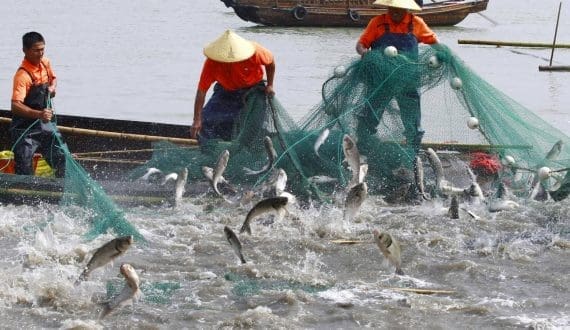
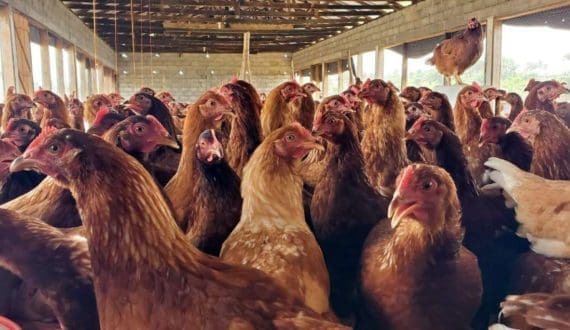
Vietnam targets US$1B in livestock exports by 2027
Rising production and international trade opportunities are driving industry expansion.
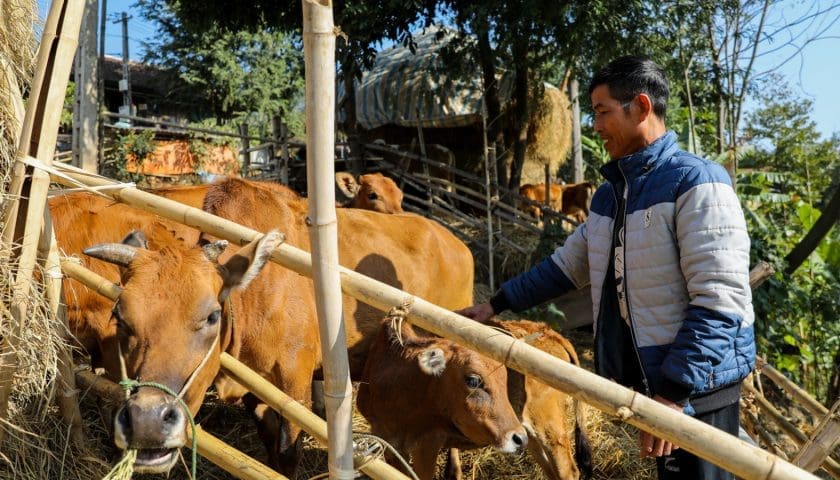
VIETNAM – Vietnam aims to increase its livestock export value to US$1 billion in the coming years as production rises and overseas markets expand.
The Ministry of Agriculture and Environment (MAE) convened a conference on March 12 to discuss strategies for disease control and sustainable livestock development.
Between 2021 and 2024, Vietnam’s livestock sector recorded steady growth, according to the Department of Livestock Production and Animal Health.
Total output of all meat types grew from 6.85 million tonnes in 2021 to 8.3 million tonnes in 2024, reflecting an average annual increase of 5.3%.
Production estimates suggest the sector reached around 8.66 million tonnes last year.
Domestic demand for livestock products has risen, with per capita meat consumption increasing from 69.6 kg in 2021 to about 87.6 kg in 2025.
Pork continues to dominate consumption, rising from 45.7 kg to 54.9 kg per person annually, while poultry meat grew from 21.9 kg to 25.8 kg per person.
Buffalo and beef consumption remained steady at approximately 6.3 kg per person per year, showing minimal change in demand.
Egg consumption increased from 178.9 to around 212 per person each year, and fresh milk intake rose from 10.8 litres to nearly 12.95 litres per person.
Currently, the livestock sector produces over 20 million tonnes of food annually, meeting the needs of nearly 100 million people and gradually expanding its export reach.
During 2024–2025, strict inspection and quarantine measures for animals and animal products helped control disease, ensure food safety, and maintain compliance with international trade requirements.
Exports of certain livestock products showed gains, with animal feed and feed ingredient shipments rising from about 388 million kg in 2024 to almost 420 million kg last year, a growth of more than 8%.
Meat and processed meat exports remained steady at 15.4–15.6 million kg per year.
In contrast, live animal exports fell sharply from over 308,000 head in 2024 to around 70,000 last year due to market fluctuations and stricter import requirements from importing countries.
Imports of raw materials for production stayed high, with animal feed ingredient imports totalling approximately 1.29 billion kg, and breeding stock imports reaching 7.54 million head to improve herd quality.
Livestock product exports totalled about US$141 million in the first two months of this year, marking an 84% increase compared with the same period last year.
Deputy Minister Phùng Đức Tiến said the sector accounts for 26% of total agricultural production value and is crucial for food supply and economic development.
He added that Vietnam must shift from simply increasing output toward creating full value chains, enhancing breeding quality, domestic feed supply, disease prevention, disease-free zones, and deep processing to access wider export markets.
Sign up HERE to receive our email newsletters with the latest news and insights from Africa and around the world, and follow us on our WhatsApp channel for updates.