EU approves new rules restricting meat terms on plant-based foods
The European Union has agreed on stricter labelling rules for plant-based products, limiting the use of certain meat-associated words. The decision follows years of debate among lawmakers, producers, and farming groups.
EUROPE – EU lawmakers reached a compromise in March 2026 that allows some familiar plant-based terms while banning others tied to specific animal products.
Under the new regulation, plant-based producers cannot use 31 terms, including chicken, beef, pork, steak, liver, breast, thigh, and drumstick, on packaging, marketing, or menus.
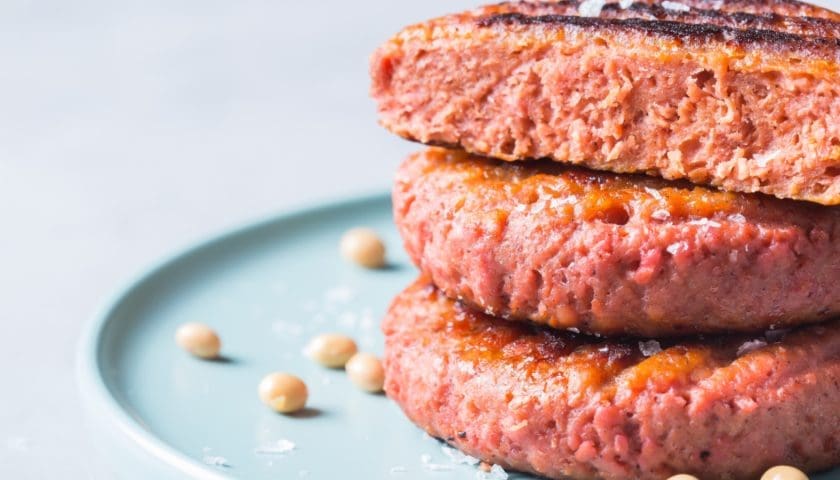
Generic product descriptors such as burger, sausage, and nugget remain allowed, providing some continuity for plant-based brands.
The restrictions also extend to novel foods, including cultivated meat, even though these products are not yet sold commercially in the EU.
Companies will have a three-year period to sell existing stock under the previous labelling before full compliance is required.
Plant-based manufacturers now face added complexity in designing packaging, developing products, and marketing, as labels must be adjusted to meet the new requirements.
Flavour indicators and usage references, such as ‘chicken-style strips’ or ‘beef-free mince’, may need to be replaced with generic or inventive alternatives.
Industry observers warn that the change could increase costs for relabelling and reformulation, particularly for smaller brands with limited budgets.
Consumers may encounter confusion as familiar descriptive terms disappear and are replaced by less intuitive language.
The move could give traditional meat producers a relative advantage, as they retain exclusive rights to commonly understood terminology.
Regulatory uncertainty may slow innovation in plant-based and novel protein products as companies and investors adopt a more cautious approach.
Despite the limitations, allowing terms like ‘burger’ and ‘sausage’ preserves some core language for mainstream plant-based offerings, supporting recognition in retail settings.
The decision highlights the ongoing challenge for regulators in balancing consumer clarity, fair competition, and the growth of alternative protein markets.
Advocacy groups and plant-based companies have criticised the new rules as unnecessary, unsupported by research, and potentially restrictive to industry growth.
Farming groups and some Members of the European Parliament support the restrictions, arguing they prevent consumer confusion and protect traditional agricultural products.
The final agreement represents a broader European effort to regulate how emerging food technologies are presented to the public while maintaining long-established naming conventions.
Sign up HERE to receive our email newsletters with the latest news and insights from Africa and around the world, and follow us on our WhatsApp channel for updates.