

Global table grape market faces record harvests despite climate challenges
The combination of extreme heat in Turkey and Italy, alongside spring frosts in Hungary, shows how climatic challenges are compelling producers to adapt through legislative support, production adjustments, and variety selection.
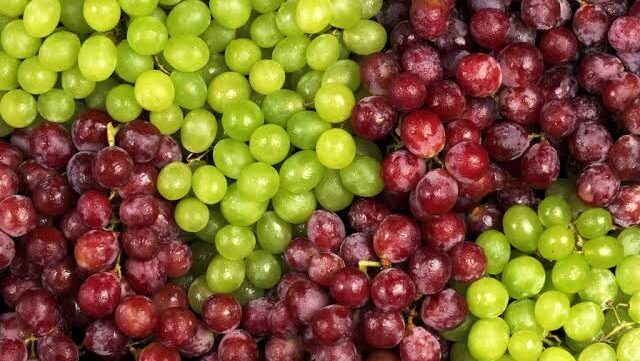
GLOBAL – The global table grape industry is navigating a period of significant transition driven by record harvests in South Africa, logistical bottlenecks, changing trade tariffs, and climate challenges affecting production across Europe and Turkey.
To begin with, South Africa achieved its largest-ever table grape harvest in the 2025/26 season, reaching about 78.7 million 4.5-kg boxes (approximately 354,000 tonnes). Despite an 11% reduction in planted area since 2018/19, improved yields from new varieties enabled record production.
Export volumes remained steady at around 352,400 tonnes, nearly identical to the previous season. However, the sector faced significant logistical issues, especially at the Port of Cape Town, and redirected exports to Europe following a sharp decline in shipments to the US due to new tariffs.
Furthermore, climate challenges are impacting grape production across regions differently. Turkey increased its overall fresh fruit and vegetable exports to 3.7 million tonnes in 2024, a 175% rise since 2002.
However, the 2025 fresh fruit and vegetable production, including grapes, fell by 14% due to the climate crisis, dropping to 44.35 million tonnes. Turkish exporters continue to compete in European grape markets, impacting supply and price dynamics in destinations such as Poland.
Meanwhile, Hungary introduced legislative changes to accelerate financial assistance for fruit and grape growers affected by spring frost and other natural disasters, aiming to preserve operational capacity and stabilize future grape supply.
In Italy, the wholesale market for grapes in Padova was calm at the end of July, with both demand and prices showing signs of slowing despite good quality.
On the other hand, seedless grapes performed better in terms of demand. Italian producers are increasingly focusing on premium seedless ARRA grape varieties and innovative packaging, targeting major European supermarket chains.
In addition, new grape varieties play a crucial role in modernizing the industry by offering enhanced flavour, improved shelf life, and greater convenience for consumers. Seedless varieties are in higher demand, driving adoption among producers seeking to differentiate their offerings and capture premium prices in competitive export markets.
Moreover, the combination of extreme heat in Turkey and Italy, alongside spring frosts in Hungary, shows how climatic challenges are compelling producers to adapt through legislative support, production adjustments, and variety selection.
Lastly, producers who invest in improved varieties and adapt to shifting trade dynamics will be better placed to meet evolving consumer preferences and maintain market share in an increasingly competitive global environment.
Sign up HERE to receive our email newsletters with the latest news and insights from Africa and around the world, and follow us on our WhatsApp channel for updates.