Botswana targets 6% GDP from agriculture as horticulture projects surge 70%
Despite significant growth in horticultural production, the country still faces hurdles such as water scarcity and high operational costs.
BOTSWANA – Botswana has set a target to increase agriculture’s contribution to GDP from 2% to 6%, with horticultural projects in Kweneng District surging from 253 to 430 in one year.
First, Lands and Agriculture Minister Edwin Dikoloti said meeting the target would require greater investment in irrigation, digital technologies, and innovation. The sector currently accounts for about 2% of GDP, while the government has set an ambitious target of 6%.
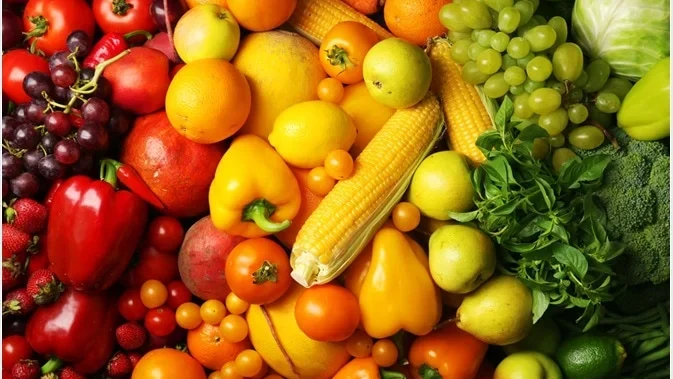
The expansion is already evident in horticulture. For instance, in Kweneng District, the number of horticultural projects rose to 430, including 420 operational projects, up from 253 during the same period a year earlier. Farmers produced about 1,697 tonnes of vegetables across 204.69 hectares.
Additionally, national horticultural output has also increased. Government data indicate that Botswana produced 140,881 tonnes of horticultural products between April 2025 and January 2026, including 114,080 tonnes of vegetables. This marks significant growth in domestic food production capacity.
The government has used import restrictions alongside production measures to increase the share of the domestic market supplied by local producers. Botswana’s horticultural import bill fell from P634 million (approx. US$47.38 million) in 2018 to P182 million (approx. US$13.60 million) in 2023.
The government attributes much of the decline to increased domestic production and restrictions on selected horticultural imports introduced from 2022. These measures have helped reduce the nation’s dependence on foreign produce while supporting local farmers.
Meanwhile, the government is directing financial support to commercially oriented agricultural projects. Under the Impact Accelerator Subsidy Programme, 319 projects have been funded, of which 305 are operational, creating 363 jobs. This support helps farmers invest in modern equipment and improve productivity.
Furthermore, the government is promoting climate-smart irrigation systems to address water scarcity. These systems enable farmers to maximise water efficiency and maintain production during dry periods, thereby reducing vulnerability to climate variability.
The collective efforts have already led to a substantial reduction in the national import bill and to the creation of new employment opportunities in the farming sector. Despite significant growth in horticultural production, the country still faces hurdles such as water scarcity and high operational costs.
Overall, the initiative marks a comprehensive push towards food self-sufficiency and economic diversification through modernized cultivation. The government continues to expand support for commercial agriculture to increase domestic food production and reduce the economy’s reliance on mining.
Sign up HERE to receive our email newsletters with the latest news and insights from Africa and around the world, and follow us on our WhatsApp channel for updates.