
Ghana, India sign five-year farm research pact to cut US$230M tomato imports
The partnership also covers processing and value addition for cassava, yam and other tubers, as well as post-harvest management.
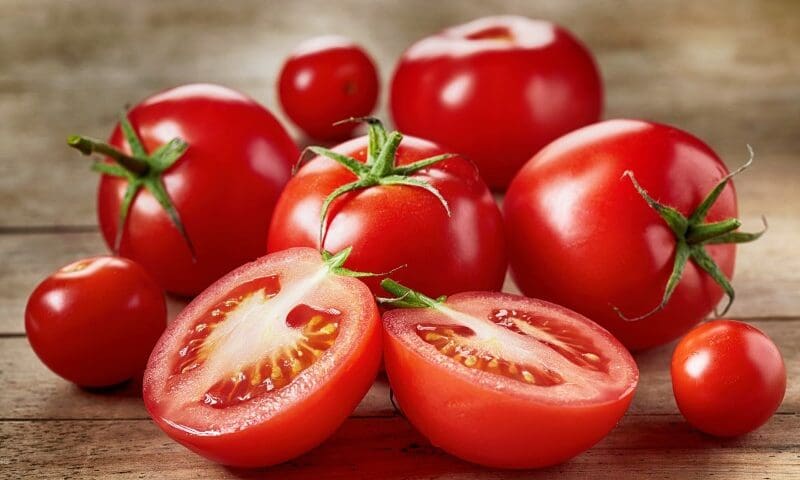
GHANA – Ghana has signed a five-year agricultural research agreement with India, initially focused on tomatoes, to boost domestic output and reduce an import bill researchers estimate exceeds US$230 million annually.
The Indian Council of Agricultural Research (ICAR) and Ghana’s Council for Scientific and Industrial Research–Crops Research Institute (CSIR-CRI) signed a memorandum of understanding on 6 October 2026, during a visit by India’s External Affairs Minister, Subrahmanyam Jaishankar, according to Ghana’s Ministry of Foreign Affairs.
The agreement provides for joint research, exchanges of scientists and technical knowledge, capacity building, and the commercial application of agricultural technologies.
Its first phase will focus on vegetable crops, particularly tomato research and development, with ICAR supporting the introduction of suitable, high-yielding tomato varieties and the wider adoption of established farming technologies.
Ghanaian company Arima Farms Ltd will serve as the commercial partner for specified research and commercialization activities. Meanwhile, a joint working group comprising representatives of ICAR and CSIR-CRI will oversee implementation, with periodic meetings in New Delhi and Accra.
The partnership also covers processing and value addition for cassava, yam and other tubers, as well as post-harvest management, including cold storage, refrigerated transport, sorting, grading and further processing.
For investors, the gap between current yields and potential output represents the opportunity. In August, researchers at CSIR reported that Ghana’s annual demand for fresh and processed tomatoes exceeded 1.4 million tonnes, while domestic production met only 15% to 18% of requirements.
Michael Kwabena Osei, CSIR-CRI principal research scientist and vegetable breeder, said more than 85% of tomato seed planted in Ghana was imported commercial hybrid seed, with average yields estimated at seven to 10 tonnes per hectare, compared with a potential of 20 to 80 tonnes under improved varieties and good agronomic management.
Researchers also identified constraints, including a weak seed system, limited irrigation, soil-health problems, and pests and diseases, as systemic rather than seasonal.
As a result, addressing them requires coordinated progress across varieties, extension services, and infrastructure, which explains the emphasis on a joint working group rather than a one-off technology transfer.
Moreover, Ghana is pursuing a separate effort through the Ghana Tomato Self-Sufficiency Initiative, launched in September 2026, targeting an initial 100,000 tons in the 2026-2027 season and aiming to expand to about 400,000 tons annually.
Sign up HERE to receive our email newsletters with the latest news and insights from Africa and around the world, and follow us on our WhatsApp channel for updates.