
Egypt food exports hit 190,000 tonnes as Saudi Arabia, Sudan lead demand
Safaga Port handled the most export consignments, at 755, followed by Damietta Port with 600 and Alexandria Port with 555.
EGYPT – Egypt has exported 4,333 consignments of food products totalling around 190,000 tonnes between October 3 and 9, with Saudi Arabia and Sudan leading demand, according to the National Food Safety Authority (NFSA).
To begin with, about 1,454 companies shipped about 770 types of food products, including vegetables, fruit, grain products, flour, and preserved foods.
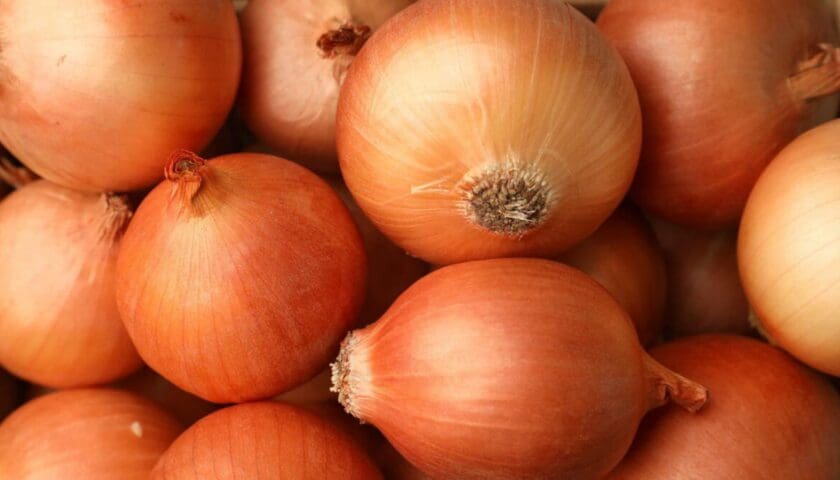
Vegetable exports totalled 51,000 tonnes across 35 varieties, led by sweet potatoes at around 16,000 tonnes, onions at 13,000 tonnes, and beans at approximately 10,000 tonnes.
Meanwhile, fruit exports reached 30,000 tonnes across 26 varieties, led by pomegranates at 10,000 tonnes, strawberries at around 8,000 tonnes, and mangoes at 7,000 tonnes.
Saudi Arabia and Sudan led Egyptian food exports for the week, followed by Jordan, the United Arab Emirates and the Netherlands, as Egyptian food products reached 163 countries.
For investors, the concentration of fruit exports in high-value categories is the key signal. Pomegranates, strawberries and mangoes accounted for 25,000 tonnes of the 30,000-tonne fruit total, indicating that Egyptian exporters are competing in premium segments rather than in commodity volumes.
That positioning matters for pricing power, particularly in Gulf markets where demand for counter-seasonal fruit is strong.
On the import side, Egypt received 2,265 food consignments totalling about 235,000 tonnes, with 940 companies importing wheat, soybeans, various oils, and fresh apples.
Russia was the largest source of food imports, followed by the United States, Ukraine, Indonesia and Canada, with 84 countries supplying food products during the period.
Safaga Port handled the most export consignments, at 755, followed by Damietta Port with 600 and Alexandria Port with 555.
On the import side, Alexandria Port handled the most incoming consignments, with 790, followed by Port Said (401) and Cairo International Airport (337).
Finally, the structural gap between exports and imports,190,000 tonnes out against 235,000 tonnes in, reflects Egypt’s continued reliance on imported staples, particularly wheat and soybeans.
As a result, that dependence exposes the country to global price movements and currency risk, which in turn affects the cost base of domestic food processors and retailers.
Sign up HERE to receive our email newsletters with the latest news and insights from Africa and around the world, and follow us on our WhatsApp channel for updates.