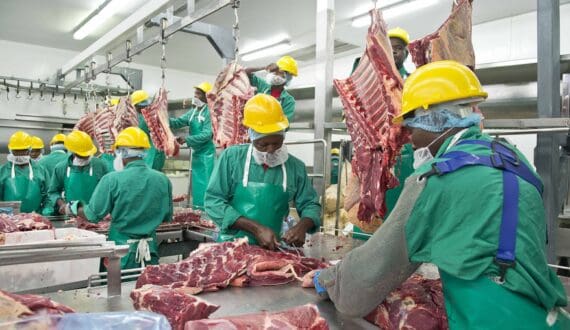

UK meat processors caught up in cyber-attacks targeting supermarket refrigeration systems
Several UK meat processors reported disruptions to cold-storage equipment, highlighting the vulnerability of critical food infrastructure to increasingly sophisticated cyber threats.
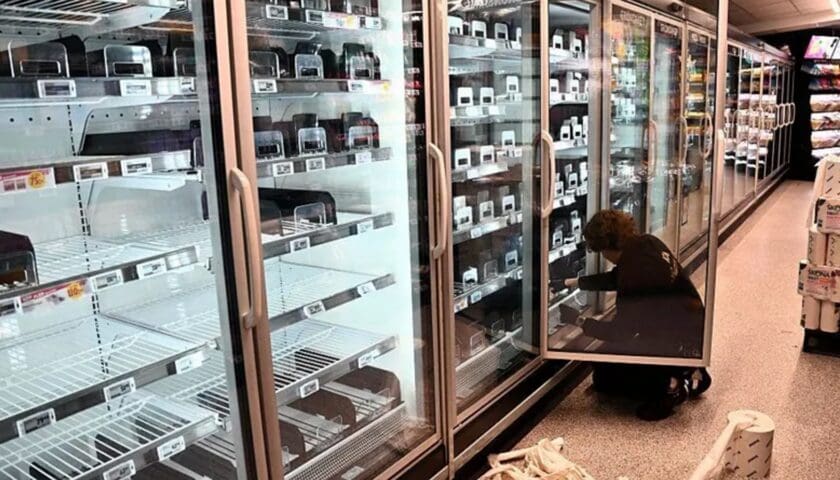
UK – Businesses across the British meat industry have been caught up in a wave of cyber-attacks targeting supermarket refrigeration systems in several European countries, raising concerns about the security of cold-chain infrastructure and the potential impact on food supply chains.
The UK’s National Cyber Security Centre (NCSC) confirmed that it was aware of several incidents in which vulnerable technology had been exploited.
Its chief executive, Dr Richard Horne, said the organisation had worked through the night to alert potentially affected British businesses.
The British Association of Independent Meat Suppliers (AIMS), which represents more than 300 members, reported that some processors experienced unexpected temperature changes in their refrigeration equipment.
According to AIMS, two businesses saw their refrigeration units begin defrosting, while another reported temperatures rising to 100°C. No meat was lost because the affected units were empty at the time.
AIMS spokesman Tony Goodger urged businesses throughout the food supply chain to review their cybersecurity arrangements, warning that companies could become collateral damage in attacks targeting wider food infrastructure.
The incidents followed similar attacks in France in early October, when hundreds of supermarkets and food retailers experienced disruptions that resulted in millions of euros’ worth of fresh and frozen food being discarded.
Monday’s attacks affected retailers in Ireland, Sweden, Estonia, Belgium, the Netherlands and Finland. Around 40 Delhaize supermarkets in Belgium and Luxembourg were reportedly affected.
Belgian refrigeration manufacturer Sabcobel said the affected equipment had its evaporators switched into defrost mode, causing refrigeration units to warm up. The same technique was suspected in the earlier French incidents.
The NCSC said investigations were continuing and it was too early to establish who was responsible.
Horne highlighted the risks associated with outdated technology, systems operating beyond their intended lifespan and equipment connected to the internet without adequate security protection.
He also warned that artificial intelligence could make it easier for malicious actors to identify and exploit weaknesses in vulnerable systems.
The British Retail Consortium said retailers were working with the NCSC to strengthen refrigeration security.
Its assistant director of regulatory affairs, Graham Wynn, said the sector continued to invest in cybersecurity measures.
Although the immediate impact in Britain remains limited, the incidents underline the importance of protecting refrigeration systems used across meat processing, storage, distribution and retail.
For meat processors, maintaining reliable temperature control is essential to food safety, product quality and shelf life.
A prolonged refrigeration failure could disrupt production, increase food waste and create significant financial losses.
The attacks therefore reinforce the need for food manufacturers and retailers to treat cybersecurity as an integral part of cold-chain management, alongside equipment maintenance, temperature monitoring and food safety controls.
Sign up HERE to receive our email newsletters with the latest news and insights from Africa and around the world, and follow us on our WhatsApp channel for updates.