

Benin opens 454 meters of new quays at Port of Cotonou
The port aims to achieve an annual cargo throughput of 25 million tonnes and container traffic exceeding 1 million TEUs.
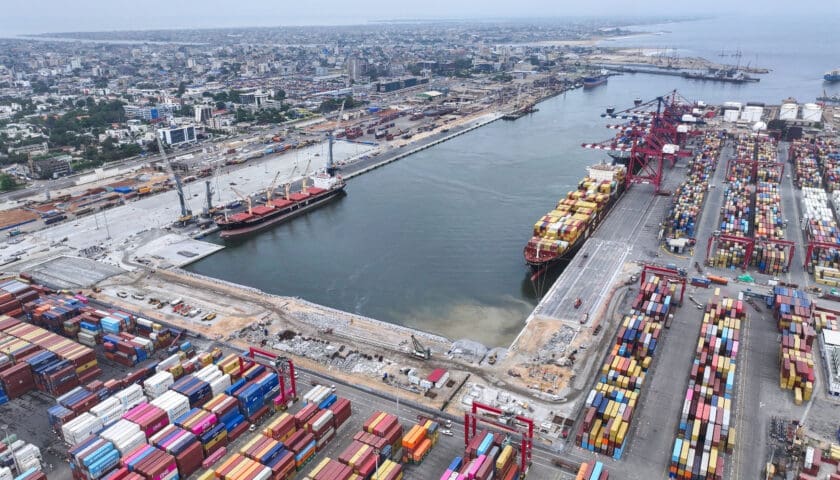
BENIN – The Port of Cotonou has brought 454 meters of new quays into service, raising the total length of completed quays under its modernization programme to 854 meters.
The additions include a 154-metre quay in the southern part of the port with a water depth of 15 meters, and 300 meters of quay in the north with a depth of 16 meters, according to French construction group Eiffage.
The new northern quay includes a 400-metre section completed in early 2026.
Construction scope and programme value
The works involved dredging more than 1.5 million cubic metres of material, pouring 61,000 cubic metres of concrete, laying 24,000 square metres of paving stones, and using 3,250 tonnes of reinforcing steel.
The programme has been underway for more than five years. The 12-project investment plan is valued at nearly CFAF 500 billion (US$838.2 million).
It includes the construction of Terminal 5, a new bulk cargo terminal, the expansion of the harbour basin to accommodate vessels with drafts greater than 15 metres, a truck staging area in Zongo, and a maritime business centre.
Throughput trajectory and trade role
The port aims to achieve an annual cargo throughput of 25 million tonnes and container traffic exceeding 1 million TEUs.
Cargo throughput rose from 9.6 million tons in 2024 to 14.7 million tons in 2025 and is projected to reach 16 million tons by the end of 2026.
Meanwhile, the 16-metre depth at the northern quay enables the port to receive vessels that previously could not berth at Cotonou, including larger bulk carriers and container ships on West African routes.
Greater draft capacity directly affects Cotonou’s ability to compete with Lomé and Tema for transit cargo destined for Niger, Burkina Faso and Mali.
Cotonou’s principal transit market is Niger, which relies on the port for most of its imports. The Zongo truck staging area addresses the landside bottleneck that has constrained throughput, as truck queues at the port entrance have historically extended clearance times beyond berth availability.
Terminal 5, dedicated to bulk cargo, will handle agricultural exports and imported inputs such as fertiliser and grain.
Cotonou’s throughput growth from 9.6 to 14.7 million tons in a single year indicates that the port was operating close to capacity before the new quays entered service, and that the expansion targets demand that had previously been diverted to competing regional gateways.
Sign up HERE to receive our email newsletters with the latest news and insights from Africa and around the world, and follow us on our WhatsApp channel for updates.