

Egyptian exporters face stricter EU pesticide, packaging rules from 2027
The European Commission is also proposing to reduce import tolerances for certain pesticides to 0.01 mg/kg, pending political agreement.
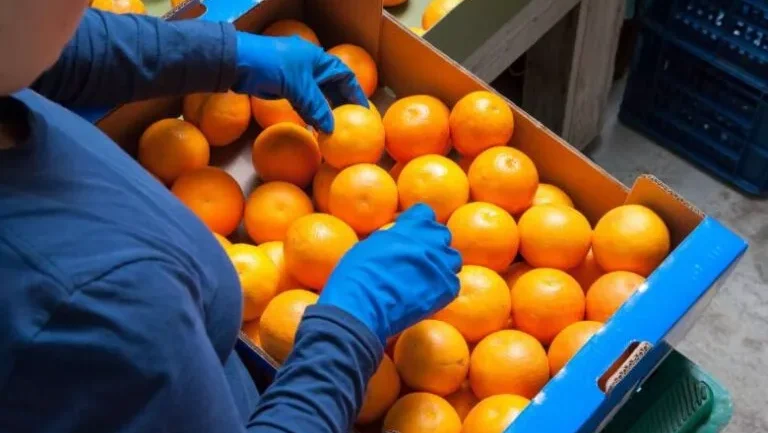
EGYPT – Egyptian fresh produce exporters are facing stricter EU regulations on pesticide residues, packaging and supply chain compliance between January 2027 and 2030, according to the EU-funded Agrinfo programme run by Colead.
Of the 91 notifications issued by the EU on Egyptian shipments between January and August, 81% concerned pesticide residues, with September recording nine additional alerts, eight involving fresh produce.
Border inspections currently cover 30% of pepper consignments and 20% of oranges, sugar apples and vine leaves.
From 29 January 2027, the EU will reduce maximum residue limits for benomyl, carbendazim and thiophanate-methyl to the lowest detectable level, followed by difenoconazole on many crops from 5 May.
The European Commission is also proposing to reduce import tolerances for certain pesticides to 0.01 mg/kg, pending political agreement.
For exporters, the pesticide issue is the most difficult to manage because it originates at farm level.
For instance, replacing carbendazim before its limit drops in January means running fresh field trials to check that substitutes protect crops as well without hurting yields or quality, a spice manufacturer and exporter, speaking on condition of anonymity at the Egypt-EU Private Sector Agrifood Dialogue in Cairo, said.
“Just as Europe bans a pesticide, it needs to provide an alternative at the same time, because not all farmers respond quickly or have access to substitutes.”
Meanwhile, laboratory capability compounds the problem. Even shipments that pass local tests can fail at the border, because a batch reading below 0.01 mg/kg on local equipment can still register above the limit in a European lab.
“When the shipment goes abroad to the EU, their labs are more advanced and can detect lower levels, so what passed here can read above the limit there,” the exporter says, adding that local labs need continuous equipment upgrades.
Packaging requirements will follow. From 12 February 2028, stickers on fruit and vegetables, and on single-use tea and coffee bags, must be industrially compostable, with standardized material labels required six months later.
Canned fruit, vegetables, and fish face a 20 January 2028 deadline, after which containers cannot contain bisphenol A.
Finally, from 1 January 2030, the EU bans single-use plastic packaging for fresh fruit and vegetables under 1.5 kg, subject to member state exemptions, and requires PET food packaging to contain at least 30% recycled material, with every food package requiring a declaration of compliance.
Sign up HERE to receive our email newsletters with the latest news and insights from Africa and around the world, and follow us on our WhatsApp channel for updates.