

Dangote refinery supplies jet fuel to Ethiopian Airlines as Africa seeks energy independence
For food exporters, localized jet fuel production could reduce regional logistics costs.
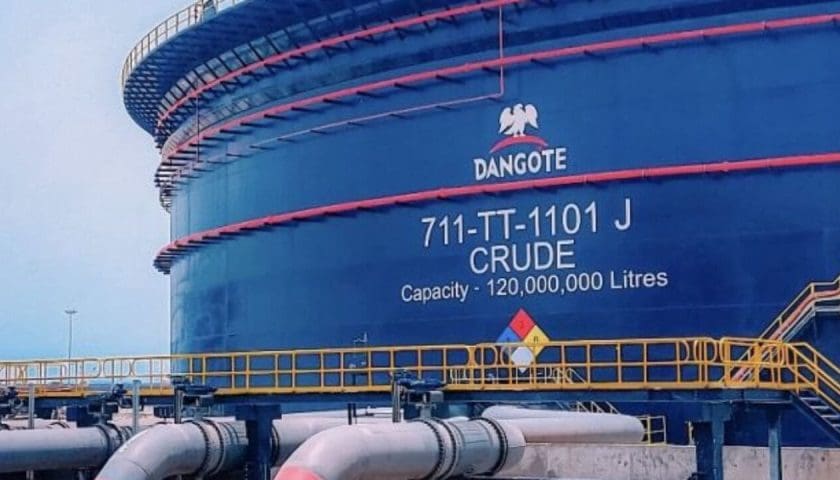
NIGERIA – The Dangote refinery has begun delivering jet fuel directly to Ethiopian Airlines, marking a significant step toward energy self-sufficiency for African carriers.
According to the African Airlines Association, fuel accounts for 30% to 40% of operating costs for African carriers, compared with a global average of 20% to 25%.
This structural burden weighs heavily on the local aviation industry, including cargo operators that transport fresh produce and perishable goods from Africa to European and Middle Eastern markets.
For food exporters, localized jet fuel production could reduce regional logistics costs. Airfreight is essential for transporting high-value horticultural products such as flowers, avocados, and berries.
Therefore, any reduction in fuel costs directly improves export margins and makes African produce more competitive with suppliers from Latin America and Asia.
The Dangote refinery has an estimated production capacity of 24 million litres of jet fuel per day, far exceeding Nigeria’s domestic demand of approximately 2.1 million litres daily.
However, a large share of that output is being shipped to Europe, where demand is rising ahead of the summer season. This export orientation contrasts with strains in the Nigerian domestic market, where the local aviation industry recently came close to a standstill amid a sharp rise in jet fuel prices.
Data from the National Bureau of Statistics highlights market volatility. Nigeria imported jet fuel worth 31 billion naira (approximately US$22.5 million) in the first quarter of 2024, an 87 per cent decline from 239.18 billion naira in the fourth quarter of 2023. Authorities imposed a price cap in late April to ease domestic tensions.
While direct deliveries to Ethiopian Airlines are seen as a positive signal of reduced reliance on imports, analysts say the impact will remain limited in the near term.
To support an African air transport market, whose annual growth is estimated at 5.7% through 2034, the continent will need to significantly expand refining and local distribution capacity.
For investors, Africa’s expanding energy and logistics infrastructure offers opportunities across the value chain. Refinery partnerships, fuel storage facilities, and distribution networks serving multiple airlines could attract capital.
Lower fuel costs would make African agricultural exports more competitive, potentially increasing demand for cold storage and airfreight logistics services.
The Dangote refinery’s direct delivery to Ethiopian Airlines is a hopeful sign, but broader infrastructure improvements remain necessary for sustained growth.
Sign up HERE to receive our email newsletters with the latest news and insights from Africa and around the world, and follow us on our WhatsApp channel for updates.