Kenya ports to receive 45 vessels as Mombasa, Lamu handle diverse cargo
This high level of operational efficiency continues to solidify Kenya’s position as the leading maritime hub along the Northern Corridor.
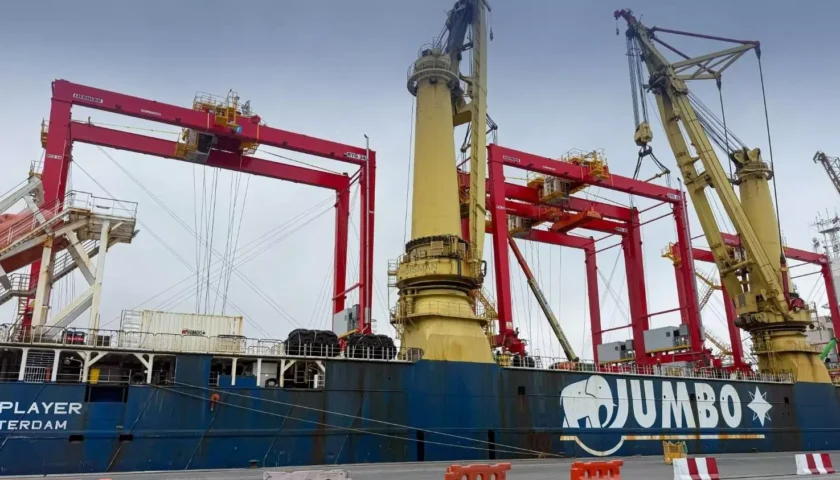
KENYA – Maritime operations along Kenya’s expansive coastline are set for a major operational surge as forty-five merchant vessels prepare to berth at the Port of Mombasa and the Port of Lamu over the next fortnight, according to Kenya Ports Authority.
The incoming vessel traffic will significantly bolster trade throughput, enhance terminal productivity, and sustain round-the-clock cargo-handling operations across both maritime gateways.
The detailed breakdown of the incoming fleet highlights a diverse array of international shipping lines connecting the region to global commercial markets.
Containerized shipping forms the primary backbone of the upcoming arrivals, with twenty-seven container ships slated to dock during this two-week window.
These vessels will process thousands of Twenty-Foot Equivalent Units (TEUs), delivering essential finished imports, industrial raw materials, and machinery, while simultaneously loading regional agricultural exports, including tea, coffee, and fresh produce, for international markets.
Diverse Cargo Types and Specialized Vessels
Alongside the high-density container traffic, the shipping schedule lists fifteen conventional cargo vessels. These bulk and breakbulk carriers are designated to discharge vital general cargo that supports regional infrastructure, agricultural production, and manufacturing.
The uninterrupted flow of these raw materials ensures that supply chains across the domestic economy and neighbouring landlinked nations remain steady. The scheduled traffic also incorporates specialized ocean freight, featuring two dedicated car carriers bringing motor vehicles to meet regional consumer and commercial fleet demand.
Additionally, one high-capacity oil tanker is scheduled to berth at the dedicated oil terminal, delivering refined petroleum products to replenish national reserves and secure fuel distribution networks across East Africa. This surge is dominated by container ships carrying finished goods while also facilitating the global export of regional agricultural products.
Operational Efficiency and Regional Hub Status
Port management emphasized that comprehensive operational plans, including optimized berth allocation, heavy equipment deployment, and coordinated shift scheduling, are fully active to streamline offloading and maintain rapid vessel turnaround times.
To manage this heavy traffic, port authorities have implemented optimized operational strategies to ensure rapid cargo handling and efficient vessel turnaround.
This high level of operational efficiency continues to solidify Kenya’s position as the leading maritime hub along the Northern Corridor.
Ultimately, this influx of trade reinforces Kenya’s status as the leading logistical hub for the East African region.
Sign up HERE to receive our email newsletters with the latest news and insights from Africa and around the world, and follow us on our WhatsApp channel for updates.