Spain’s agri-food sector generates 9% of GDP, leads European exports with US$91B
The report highlights innovation as a key element for future development, alongside the promotion of digitalization and the adoption of new technologies.
SPAIN – Spain’s agri-food sector generated €137.38 billion (approx. US$157 billion) in Gross Value Added in 2025, representing 9% of the country’s economy and surpassing the European average of 6%. It employed over 2.6 million people and achieved record exports of €79.39 billion (approx. US$90.74 billion).
According to the ‘Observatory on the Spanish Agri-food Sector in the European Context’ report, prepared by the Valencian Institute of Economic Research and presented by Cajamar, the sector employs 11.5% of the national workforce, above the EU average of 9.8%.
Spain accounts for 13% of the sector’s total GVA in the EU, ranking fourth by size across the bloc. In foreign trade, exports reached €79.39 billion, up 2.8% year on year, marking a new all-time high.
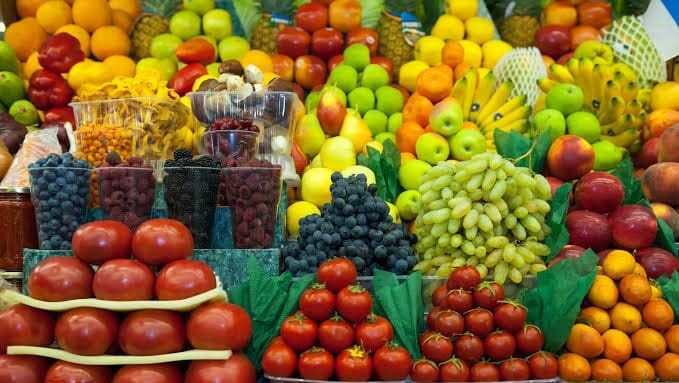
Furthermore, agri-food exports now account for 20.1% of Spain’s total goods exports, the highest share among major European exporters. The fruit and vegetable sector remains the leading agri-food exporter, making up 27.8% of the total.
Edible fruits and nuts account for 15.6%, while vegetables and legumes make up 12.5%. International trade has reached record-breaking levels, with fruit and vegetable exports serving as the primary drivers of this global success.
However, the report identified significant challenges, including an ageing workforce, difficulties in achieving generational renewal, and the underrepresentation of women in certain production activities. “These factors highlight the need to attract young talent, improve working conditions, and move toward a sector that is more inclusive and socially balanced,” the report pointed out.
The industry faces internal pressures, including an ageing population and a lack of gender diversity, that threaten long-term sustainability.
Therefore, to maintain momentum, experts emphasize the need for digitalization and innovation to attract a younger generation of workers. The report highlights innovation as a key element for future development, alongside the promotion of digitalization and the adoption of new technologies.
Cajamar described Spain as a “major European agri-food power” that must address these structural challenges. The data portray Spain as a resilient agricultural power that must modernize its social and technological frameworks to maintain its competitive position.
In the end, the combination of strong export performance, economic contribution, and employment generation positions Spain favourably, but workforce renewal and digital transformation will determine its future competitiveness in European and global markets.
Sign up HERE to receive our email newsletters with the latest news and insights from Africa and around the world, and follow us on our WhatsApp channel for updates.