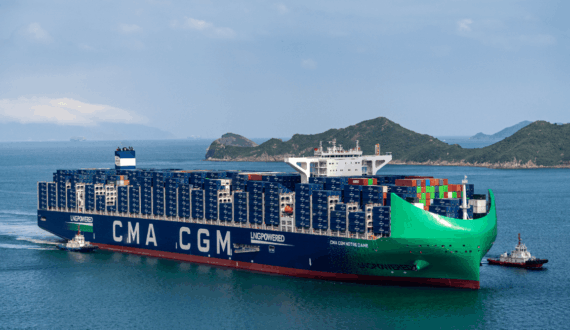
Maersk, Oppy launch integrated cold chain solution at Port of Wilmington for Chilean grapes
This enables cargo to move seamlessly from vessel discharge through fumigation to onward distribution, supported by Maersk’s integrated cold storage facility in Wilmington.
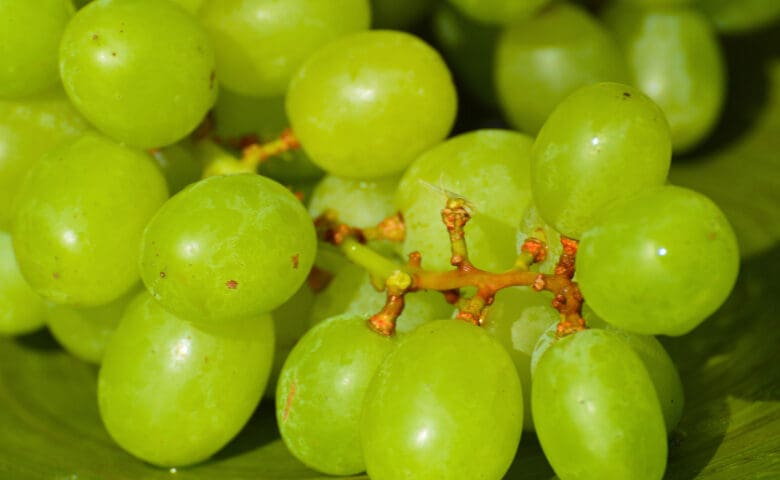
UNITED STATES – Maersk has launched an integrated cold chain solution linking origin operations in Chile with ocean freight, U.S. port handling, fumigation, inland logistics and cold storage, as it seeks to address port congestion and capacity constraints at key U.S. gateways.
To begin with, this initiative was developed in collaboration with fresh produce supplier Oppy and the Port of Wilmington; the solution addresses a longstanding challenge in perishables logistics: constrained fumigation capacity at key U.S. gateways.
Second, by coordinating services across the value chain, Maersk improves speed to market, transparency and reliability for temperature-sensitive cargo.
For regulated commodities such as grapes, fumigation is required for entry into the United States. Traditionally performed at origin or congested gateway ports, fumigation can introduce delays, longer dwell times and increased risk to cargo quality.
Therefore, by shifting fumigation to destination and integrating it with downstream cold chain operations, the new setup reduces bottlenecks and enhances supply chain predictability.
End-to-End Solution and Operational Integration
“This solution was built end to end, from origin handling in Chile to delivery in the U.S. By coordinating ocean, port, fumigation, storage and inland logistics, we are able to provide customers with greater visibility and control, enabling them to move regulated produce, specifically grapes, more efficiently and at scale,” said Le Harlin, Head of Growth Enablement, Cold Chain, Maersk North America.
The solution was developed through close collaboration among Maersk’s teams in Latin America and North America, as well as port partners and regulators. Over a six-month period, fumigation capacity at the Port of Wilmington was expanded through additional permits and infrastructure upgrades.
This enables cargo to move seamlessly from vessel discharge through fumigation to onward distribution, supported by Maersk’s integrated cold storage facility in Wilmington.
Regional Impact
In addition to grapes, the expanded fumigation capability enables the handling of other regulated commodities, including asparagus, blueberries and citrus.
Wilmington serves as a complementary gateway to larger ports, providing efficient access to regional markets and helping to alleviate congestion at major hubs.
Finally, this scalable solution provides a more efficient gateway for handling diverse agricultural goods while easing pressure on larger regional hubs. The company remains prepared to expand the model to additional commodities and trade lanes to sustain long-term growth in the perishables logistics sector.
Sign up HERE to receive our email newsletters with the latest news and insights from Africa and around the world, and follow us on our WhatsApp channel for updates.