
South African fruit exporters face logistics strain, invest in tech to stay competitive
Furthermore, growers are using advanced agricultural technology and specialized cultivars to combat extreme weather.

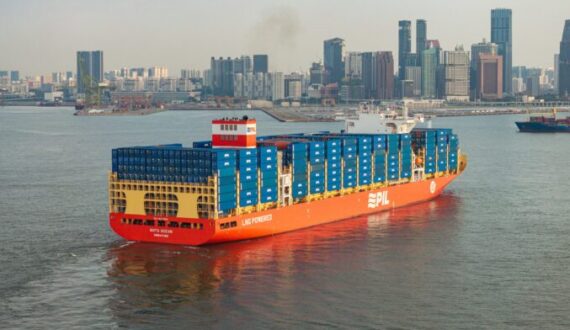
SOUTH AFRICA – South Africa’s fresh produce export sector is facing significant strain from port inefficiencies, rising operating costs, and market access constraints, according to the Fresh Produce Exporters Forum.
FPEF CEO Piet de Jager says fruit volumes are building as market conditions and logistics affect the supply chain. “We had a joint meeting with the citrus growers, and the message is clear: the fruit is building up. The markets are not there this year, and so that’s under pressure. The logistics chain is not as efficient as it should be. It’s been a very tough year for everyone.“
Weather conditions, including droughts, floods, and high temperatures, are also affecting growers. The sector has responded with covered growing systems, netting, irrigation technology, and cultivars adapted to changing conditions. According to De Jager, crop output has been maintained through technology rather than expansion of planted hectares.
Additionally, market access remains another constraint. Phytosanitary and pest and disease risk negotiations can take time, while exporters face tariffs in some Eastern markets due to limited trade agreements. Residue limits, packaging regulations, and phytosanitary protocols also affect market access.
On the other hand, logistics costs have increased as higher diesel prices and rail constraints leave exporters dependent on road transport. Exporters have responded by increasing container payloads through pallet optimization, while investment has continued in cold storage, refrigerated container plug-in capacity, and container temperature monitoring.
Post-harvest research is also focusing on packaging, handling, storage, shelf life, and non-chemical treatments. Growers are using water-efficient cultivars and irrigation systems, while packhouses are adopting energy-efficient cooling and solar power.
Around 5% of South Africa’s fresh produce exports are shipped to African markets. However, Europe, the Middle East, and the Far East account for most exports. Constraints to intra-African trade include limited cold chain infrastructure, foreign exchange availability, export credit insurance, and border closures.
The sector is also seeking additional markets as competition increases from Peru, Chile, Australia, New Zealand, and domestic crop output in markets such as China.
Furthermore, growers are using advanced agricultural technology and specialized cultivars to combat extreme weather. Covered growing systems, netting, irrigation technology, and climate-adapted cultivars have enabled crop output to be maintained without expanding planted hectares
Finally, these strategic shifts aim to offset high road transport costs and infrastructure limitations while preserving fruit quality for primary markets in Europe and Asia.
Sign up HERE to receive our email newsletters with the latest news and insights from Africa and around the world, and follow us on our WhatsApp channel for updates.