Skip to content


Supply Chain & Logistics
-

South Africa targets rail, port growth, aims to move 24M tonnes of freight annually
The reform promises improved rail and port efficiency in moving citrus, grapes, and other perishables to international markets.
-

Hellmann Worldwide Logistics reports US$4B revenue in 2025, launches Forward2030 strategy
By product division, Sea freight accounted for 31% of revenue, Road & Rail 34%, Airfreight 27%, Contract Logistics 7%, and Others 1%.
-

Hapag-Lloyd, Kuehne+Nagel partner on low-carbon shipping, target 3,000 tonnes CO₂e reduction
The companies said this model supports scalable climate action while sustainable marine fuels remain scarce.
-
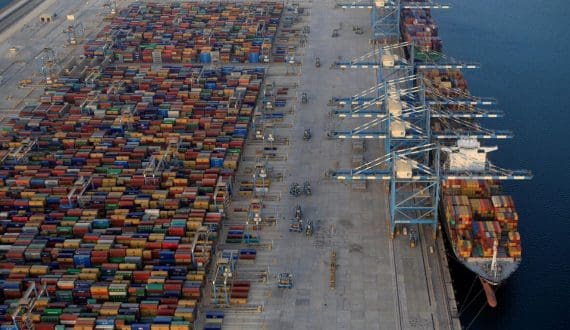
AD Ports Group reports Q1 2026 net profit up 41%, revenue hits US$178M
The Maritime & Shipping cluster’s growth reflects rising container feeder shipping volumes across regional trade lanes.
-

Qatar Airways Cargo expands Africa capacity, increases global network by 12%
The 12% capacity increase across Africa, Asia, Europe, and the Americas offers more routing options for perishable cargo.