Sudan mango industry crushed by war, supply chain collapse
Before the war, Sudan produced over 900,000 tonnes of mangoes annually, making it one of Africa’s leading producers.
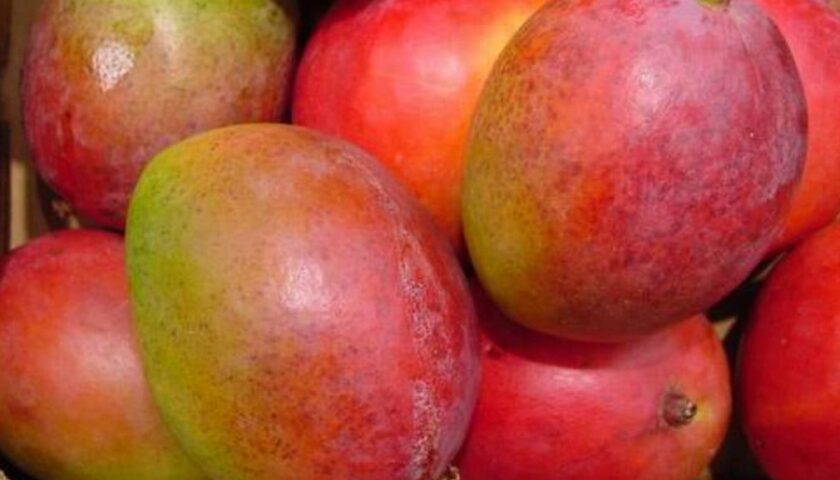
SUDAN – Sudan’s mango industry has been devastated by more than two years of civil war, with disrupted supply chains, rising transport costs, and damaged infrastructure pushing the sector to the brink.
A mango exhibition at Bahri University brought together farmers and researchers to assess the damage and explore ways to revive the crop.
Osman Ahmed Osman, the director general of the Ministry of Production and Economic Resources in Northern State, said his state produces about 250,000 tonnes of mangoes annually, making it one of the country’s leading producers. “We have abundant production, but the real challenge is marketing and supply chains,” he said, noting that much of the harvest spoils because transport routes have been disrupted by the war.
Furthermore, Al-Tayeb Jaafar, head of the Mango Growers’ Union in Qeisan, Blue Nile State, said years of conflict have made it increasingly difficult for farmers to reach markets. “Transportation costs have risen sharply, and some farmers were forced to leave part of their harvest in the orchards because transport was unavailable,” he told Xinhua.
In addition, rising transportation costs and a lack of modern processing facilities are forcing much of the produce to rot in the fields, representing billions of dollars in agricultural losses.
Sudanese food security expert Abdullah Ibrahim said that food security today depends not only on food production but also on efficient supply chains that can withstand wars, pandemics, and economic shocks.
Abdul-Azeem Sati, a Sudanese fruit exporter, said demand for Sudanese mangoes remains strong, particularly in Gulf markets, but success now depends on efficient logistics, quality packaging, and timely delivery, not fruit quality alone. He added that disruptions in global supply chains have sharply increased transport, shipping, and insurance costs.
Moreover, Agricultural expert Mutasim Salim said the war has exposed weaknesses in Sudan’s overall agricultural marketing system. “If Sudan wants to build a more resilient agricultural sector, it must invest in agricultural infrastructure, establish sorting and packaging centres, expand cold-chain systems, and promote food processing,” he said.
Before the war, Sudan produced over 900,000 tonnes of mangoes annually, making it one of Africa’s leading producers. Therefore, restoring this industry is seen as a vital step towards addressing widespread food insecurity and diversifying the rural economy through resilient distribution networks and global shipping solutions.
Sign up HERE to receive our email newsletters with the latest news and insights from Africa and around the world, and follow us on our WhatsApp channel for updates