
Nigeria breaks ground on US$3.5B Bakassi deep-water port
The development includes a 260-kilometre highway connecting the port with inland markets.
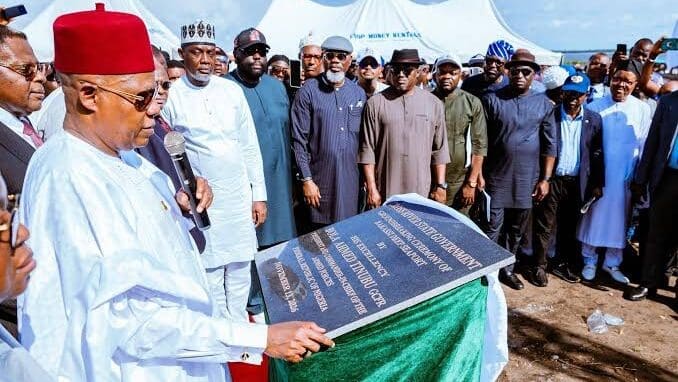
NIGERIA – Nigeria has launched construction of a US$3.5 billion deepwater port in Bakassi, Cross River State, to relieve congestion at Lagos, with US$2.27 billion in initial financing approved against the estimated total cost.
Vice President Kashim Shettima attended the groundbreaking ceremony on 13 November in south-eastern Nigeria.
The project has a water depth of 20 metres, which is sufficient for large commercial vessels that currently bypass many Nigerian ports because of infrastructure limitations.
Financing structure and ownership
The African Export-Import Bank serves as the mandated lead arranger and financial adviser, while a dedicated project company, Bakassi Deep Seaport Limited, has been established to oversee the development.
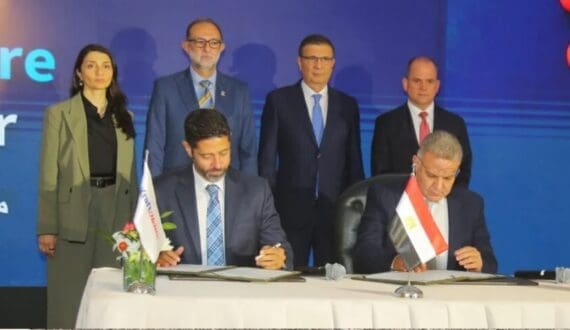
Under a shareholders’ agreement ratified in February 2025, Dubai-based Arise Integrated Industrial Platforms, which develops and operates industrial parks and integrated industrial-port zones throughout Africa, is set to acquire an 80% stake, with the Cross River State government retaining the remaining 20%.
President Bola Tinubu described Bakassi as a strategic investment. “Lagos is not our enemy. Lagos is our elder brother in trade. No country eats with one hand. No country carries all its loads on one shoulder. That shoulder will break,” he said.
“This project is not against Lagos. It is designed for Nigeria. When Lagos is decongested, Nigeria breathes.”
Congestion costs and regional access
The development includes a 260-kilometre highway connecting the port with inland markets.
Nigerian Ports Authority Managing Director Abubakar Dantsoho said the integrated infrastructure project would offer another route to international markets for landlocked countries such as Chad, Niger, Mali and Burkina Faso.
As a result, Bakassi will become Nigeria’s second deepwater port after Lekki, which opened in Lagos in January 2023.
According to the U.S. International Trade Administration, citing an estimate from the Lagos Chamber of Commerce and Industry, logistics inefficiencies cost Nigeria approximately US$8 billion annually, of which US$5.8 billion represents lost revenue for businesses dependent on the main ports.
Moreover, cargo spends an average of 18 to 21 days at Lagos’ Apapa and Tin Can Island ports, compared with five to seven days in Ghana and four days in Cotonou, leaving logistics and customs clearance charges about 30% higher than in neighbouring West African countries.
Ultimately, Bakassi’s success will be measured by whether the 260-kilometre highway and customs efficiency match the 20-metre berth depth.
Sign up HERE to receive our email newsletters with the latest news and insights from Africa and around the world, and follow us on our WhatsApp channel for updates.